placeholder

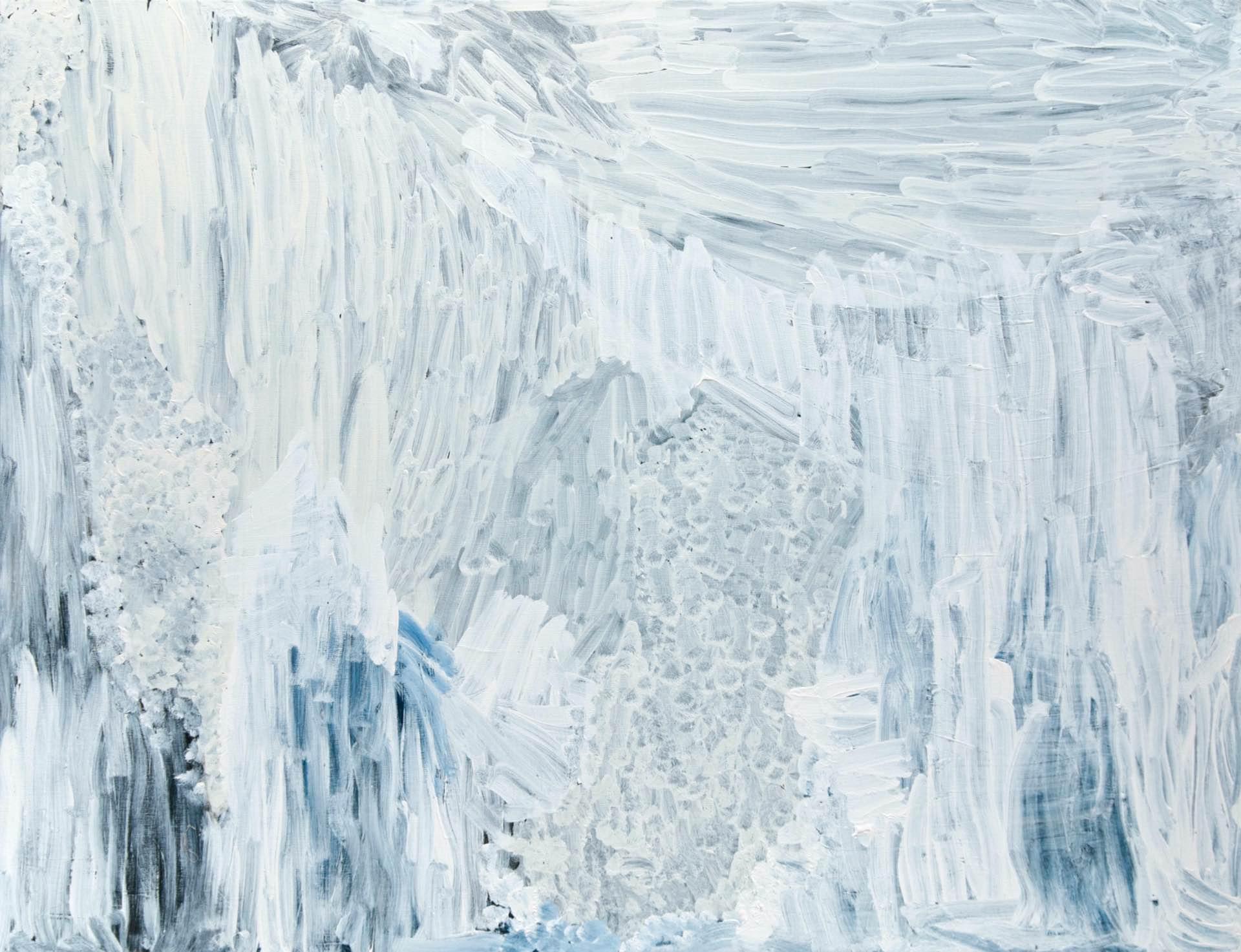
Other works about Thundi were completed entirely in brushstrokes, or were similarly overpainted in white, evoking the ripple patterns on the sand flats, the frothing water at the river mouth, small waves lapping on the beach or the complete inundation of the area during extreme weather. Bruce Johnson McLean, "Dulka Warngiid: The Whole world" in Mirdidingkingathi Juwarnda Sally Gabori. Publication Fondation Cartier pour l’art contemporain, Paris, 2022
Sally Gabori, Thundi, 2012. Synthetic polymer paint on linen, 151 × 196 cm. Annabel Rupert Myer Collection, Melbourne, Australia. © The Estate of Sally Gabori / Adagp, Paris, 2022. Photo © Simon Strong

Detail of Sally Gabori, Thundi, 2010. Synthetic polymer paint on linen, 196 × 151 cm. Private collection, Perth, Australia / Bartram/O’Neill. © The Estate of Sally Gabori / Adagp, Paris, 2022. Photo © Henry Whitehead.
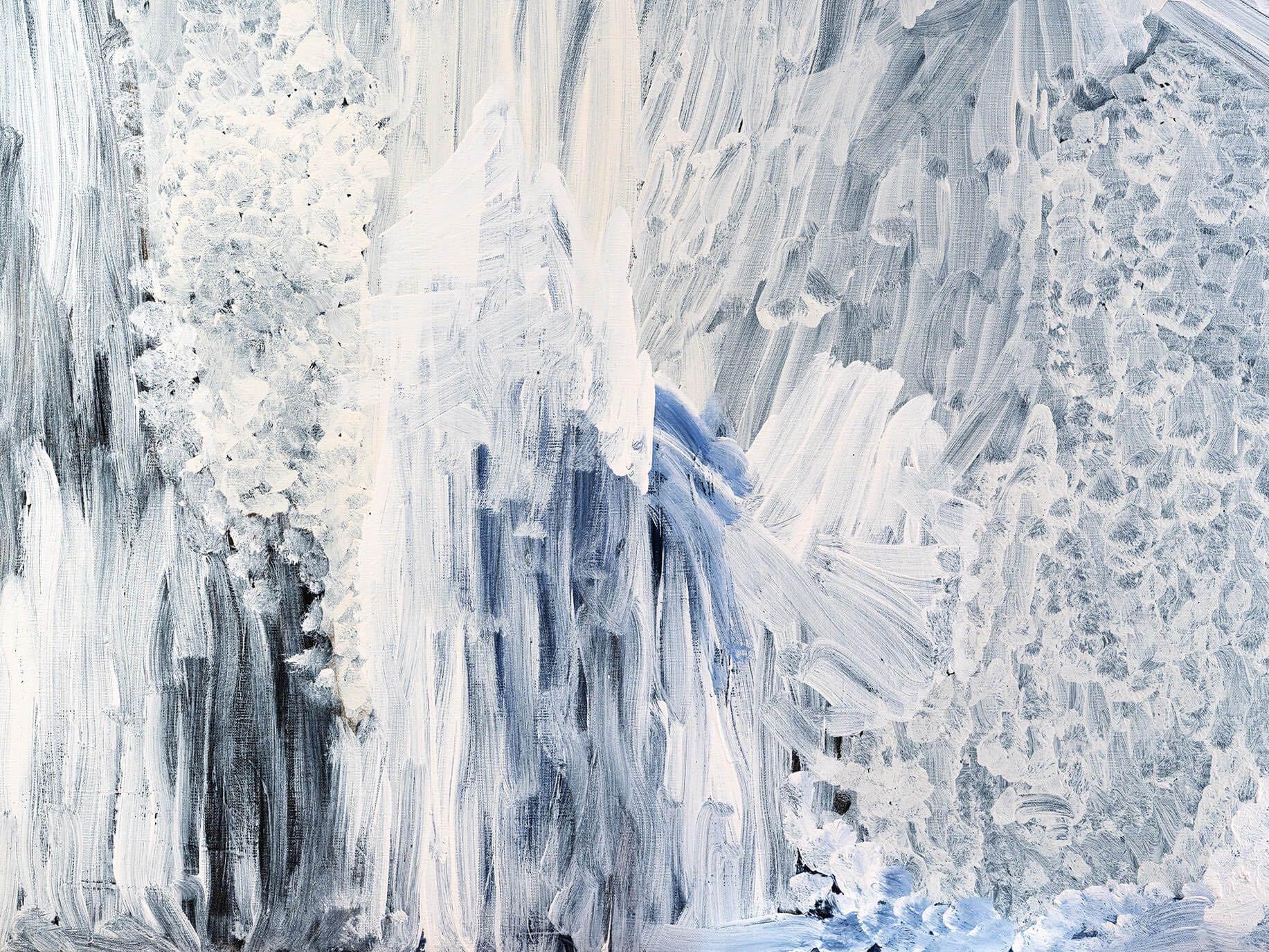
Sally Gabori, Thundi, 2012. Synthetic polymer paint on linen, 151 × 196 cm. Annabel Rupert Myer Collection, Melbourne, Australia. © The Estate of Sally Gabori / Adagp, Paris, 2022. Photo © Simon Strong
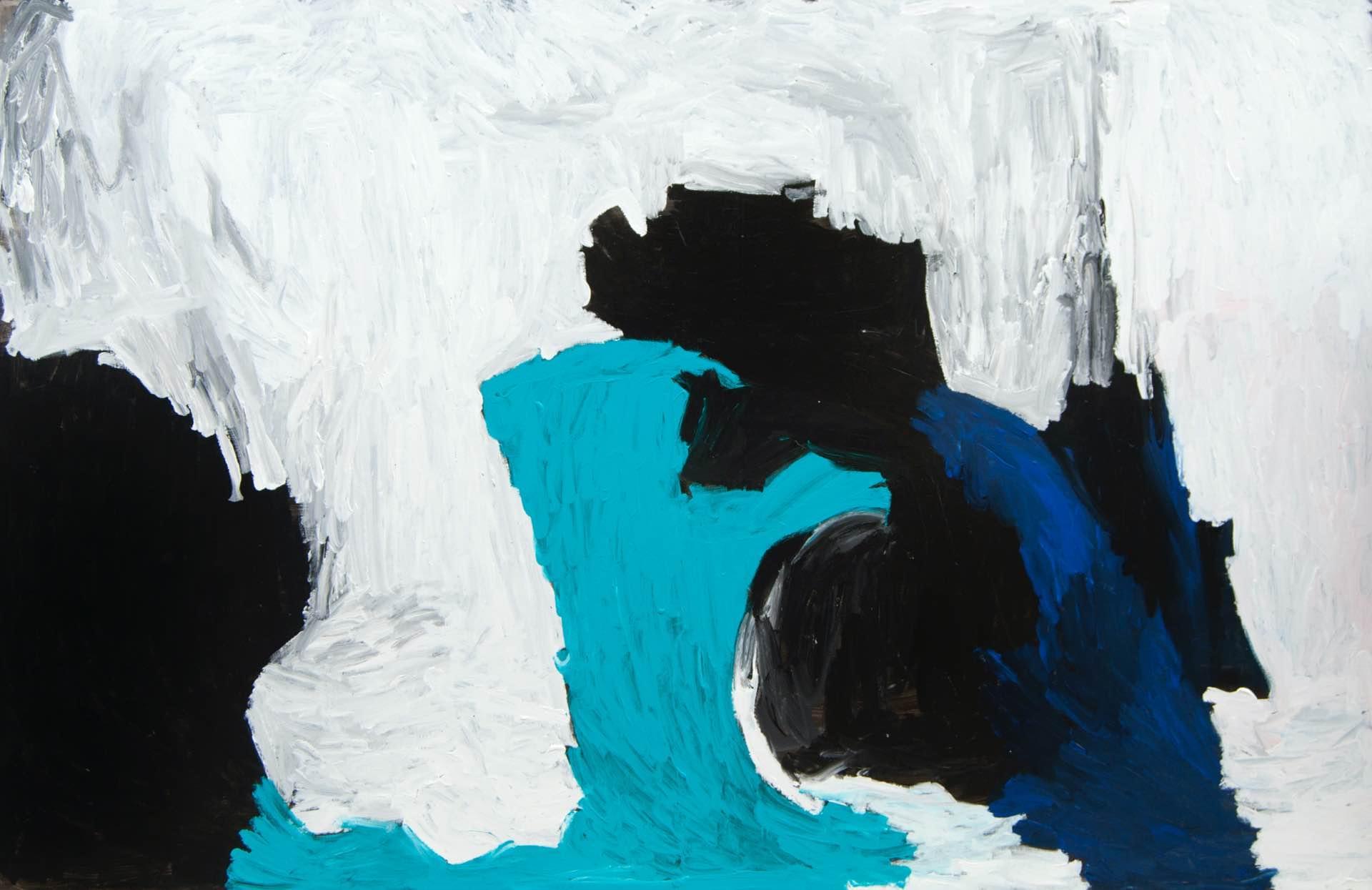
Sally Gabori, Nyinyilki, 2011. Synthetic polymer paint on linen, 196 × 301 cm. Bendigo Art Gallery Collection, purchased 2016. © The Estate of Sally Gabori / Adagp, Paris, 2022. Photo © Simon Strong
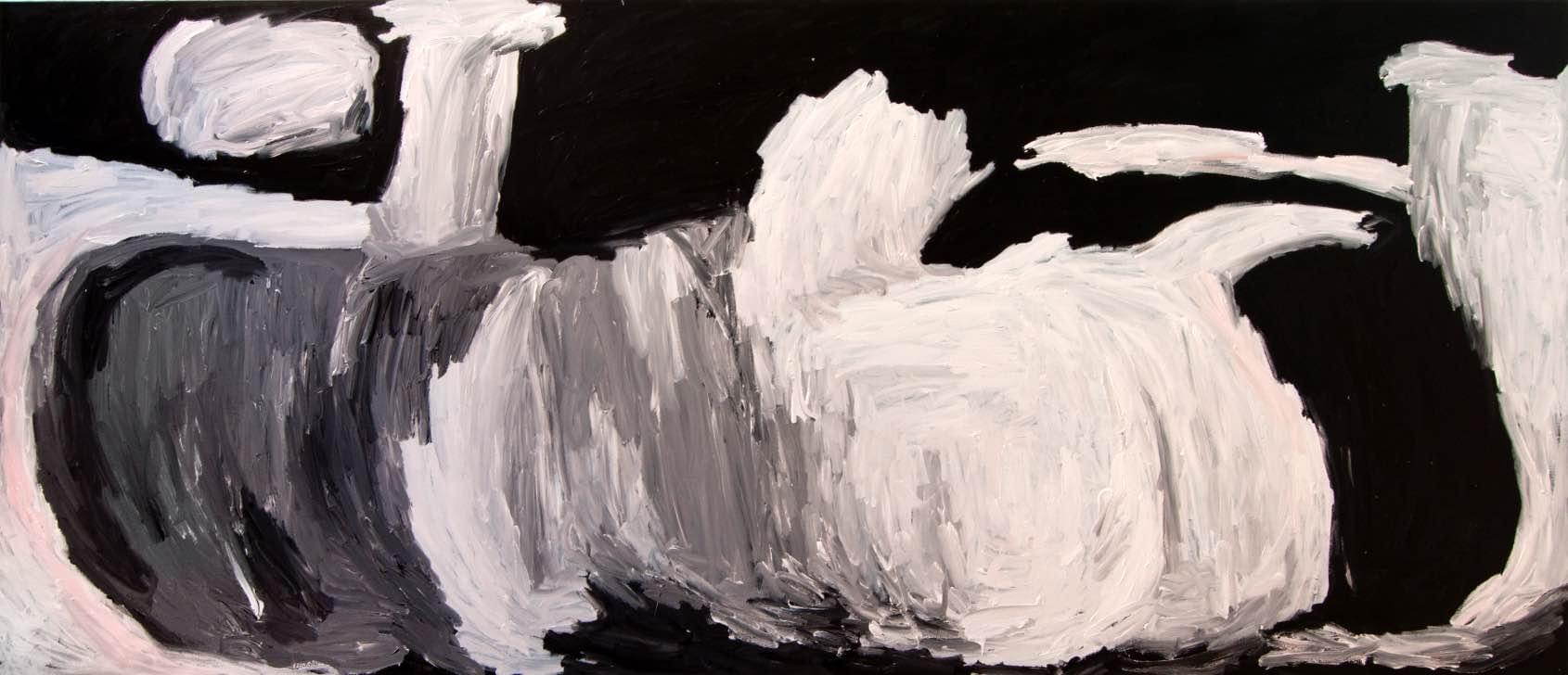
Sally Gabori, Thundi, 2011. Synthetic polymer paint on linen, 196 × 455 cm. Private collection, Brisbane, Australia. © The Estate of Sally Gabori / Adagp, Paris, 2022. Photo © Tom MacDonald
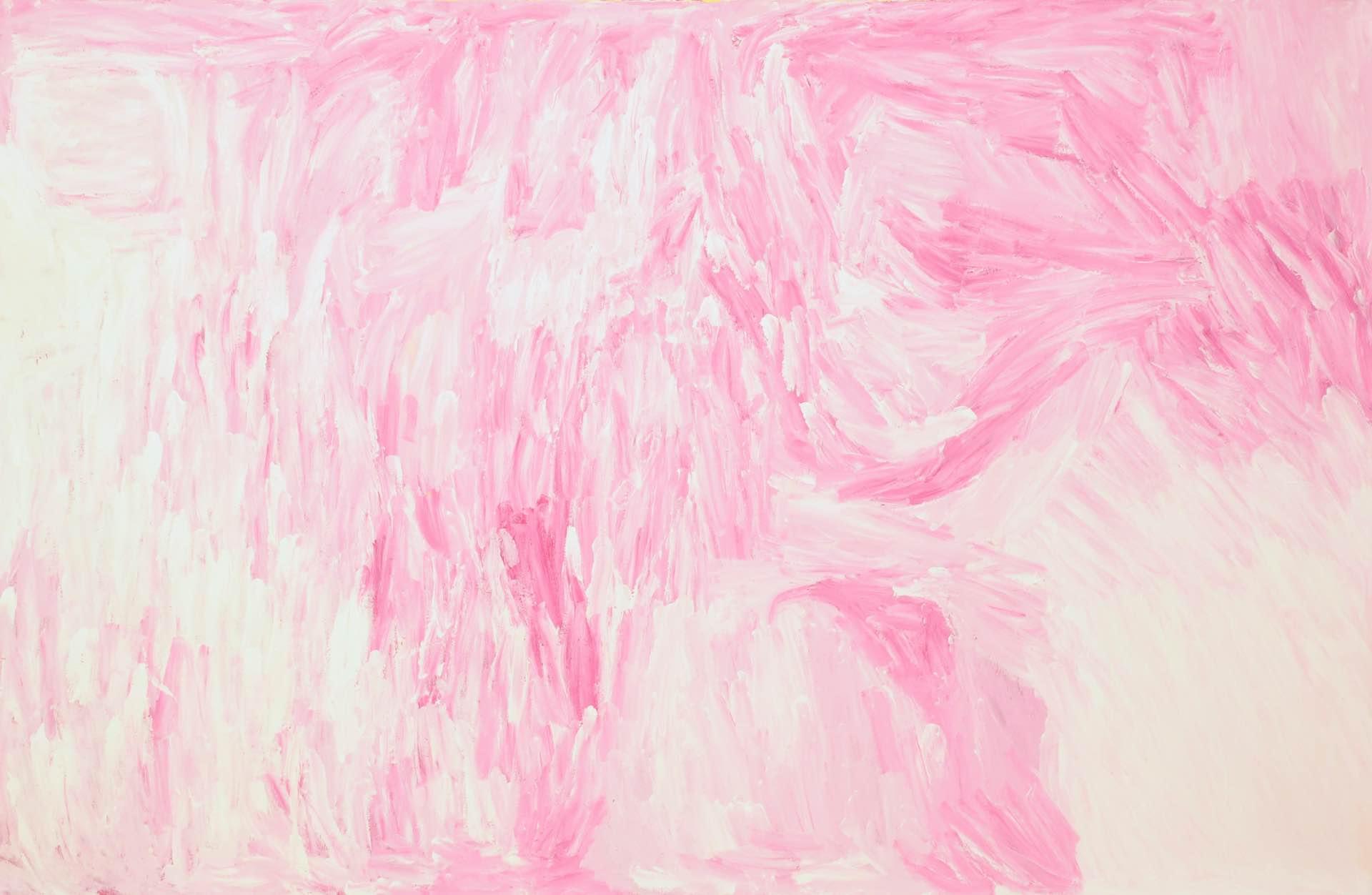
By working fleetingly and impetuously, alla prima (wet on wet) before the underlayer has completely dried, Sally Gabori enabled colours and tonalities to shift and transform and created subtle paler and darker nuances and transparency of one colour within the white brushstrokes on the surface. The swiftness of her method is critical to tonal explorations of colour such as in Thundi (2008), suffused with brushstrokes of various intensities of pink and white, and utterly free of any correspondence to figuration or ethnographic precepts. Judith Ryan, "Unprecedented: The Art of Sally Gabori", in Mirdidingkingathi Juwarnda Sally Gabori. Publication Fondation Cartier pour l’art contemporain, Paris, 2022.
Sally Gabori, Thundi, 2008. Synthetic polymer paint on linen, 198 × 304 cm. Private collection, Adelaide, Australia. © The Estate of Sally Gabori / Adagp, Paris, 2022. Photo © Simon Strong
Sally Gabori painting Dibirdibi Country. Art & Craft Center, Mornington Island, 2009 Video 48’08’’ © The Estate of Sally Gabori. Video © Inge Cooper
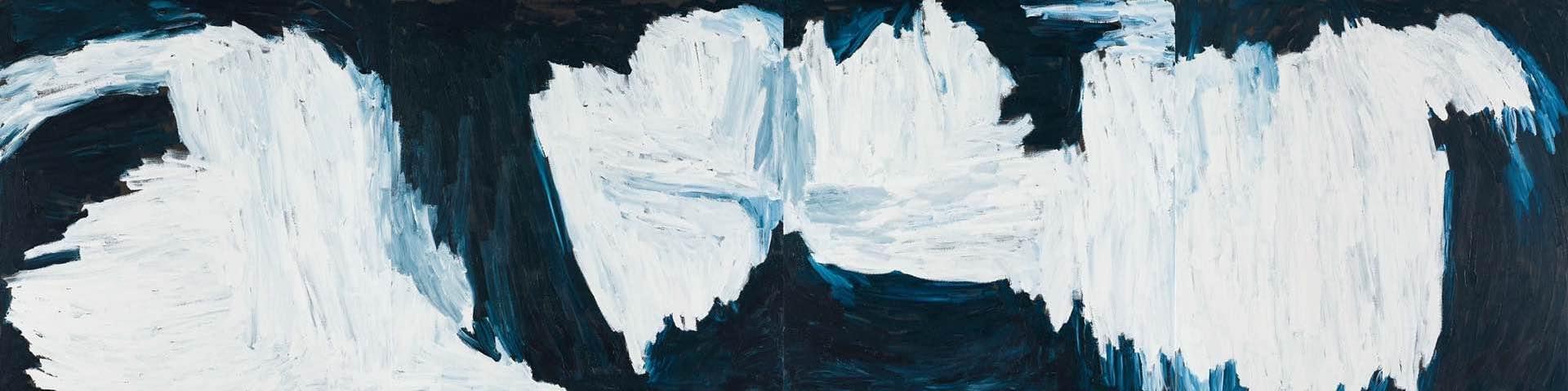
Sally Gabori, Dibirdibi Country, 2012 Synthetic polymer paint on linen, 121 × 484 cm (4 pannels, 121 × 121 cm each). Queensland Art Gallery | Gallery of Modern Art, Brisbane, Australia. Purchased 2014 with funds from Margaret Millelheuser AM and Cathryn Mittelheuser AM through the Queensland Art Gallery | Gallery of Modern Art Foundation. © The Estate of Sally Gabori / Adagp, Paris, 2022. Photo © Natasha Harth, QAGOMA
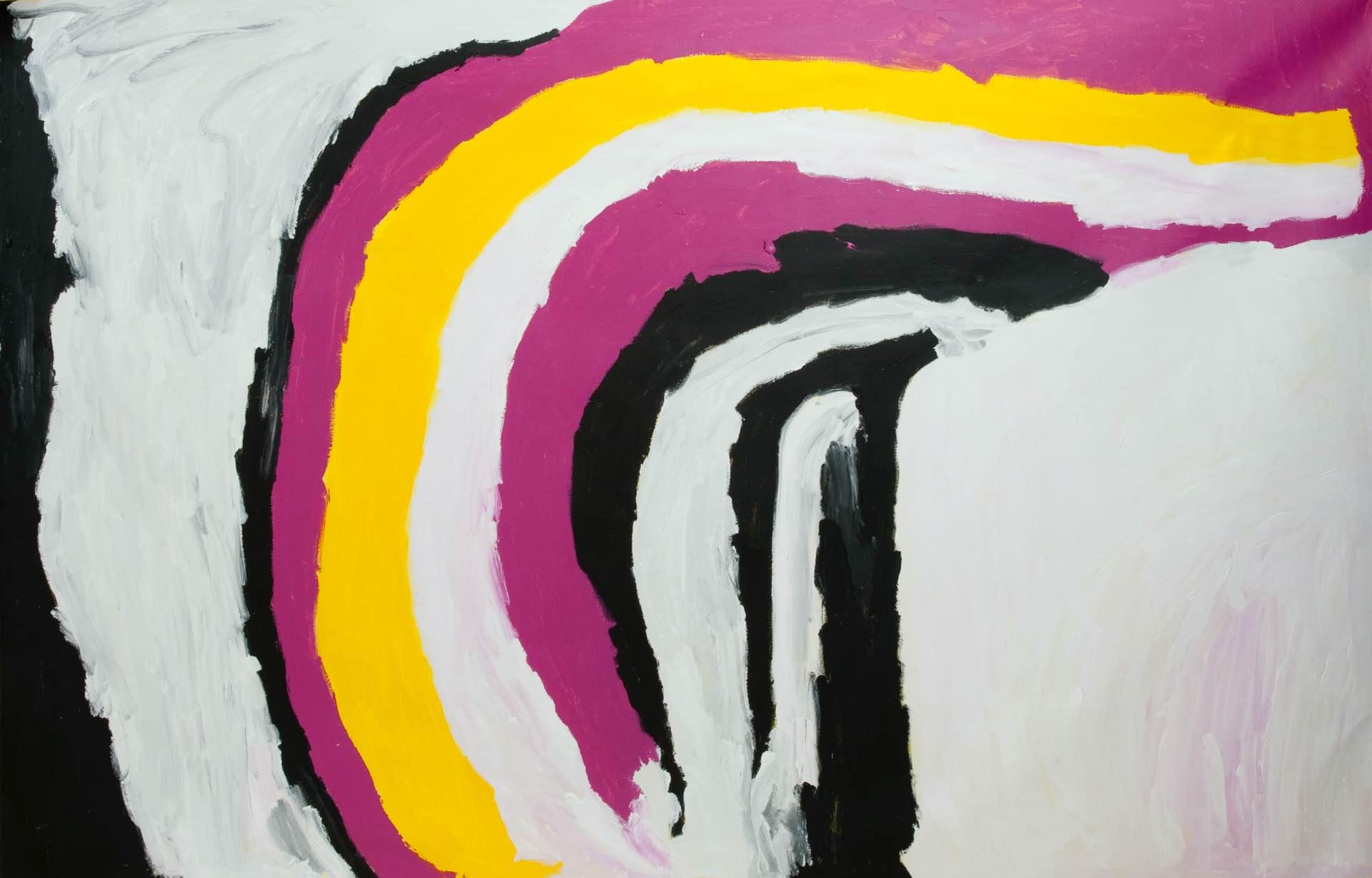
Sally Gabori, Thundi – Big River, 2010. Synthetic polymer paint on linen, 196 × 306 cm. David Gyngell and Leila McKinnon, Sydney, Australia. © The Estate of Sally Gabori / Adagp, Paris, 2022. Photo © Mark Pokorny
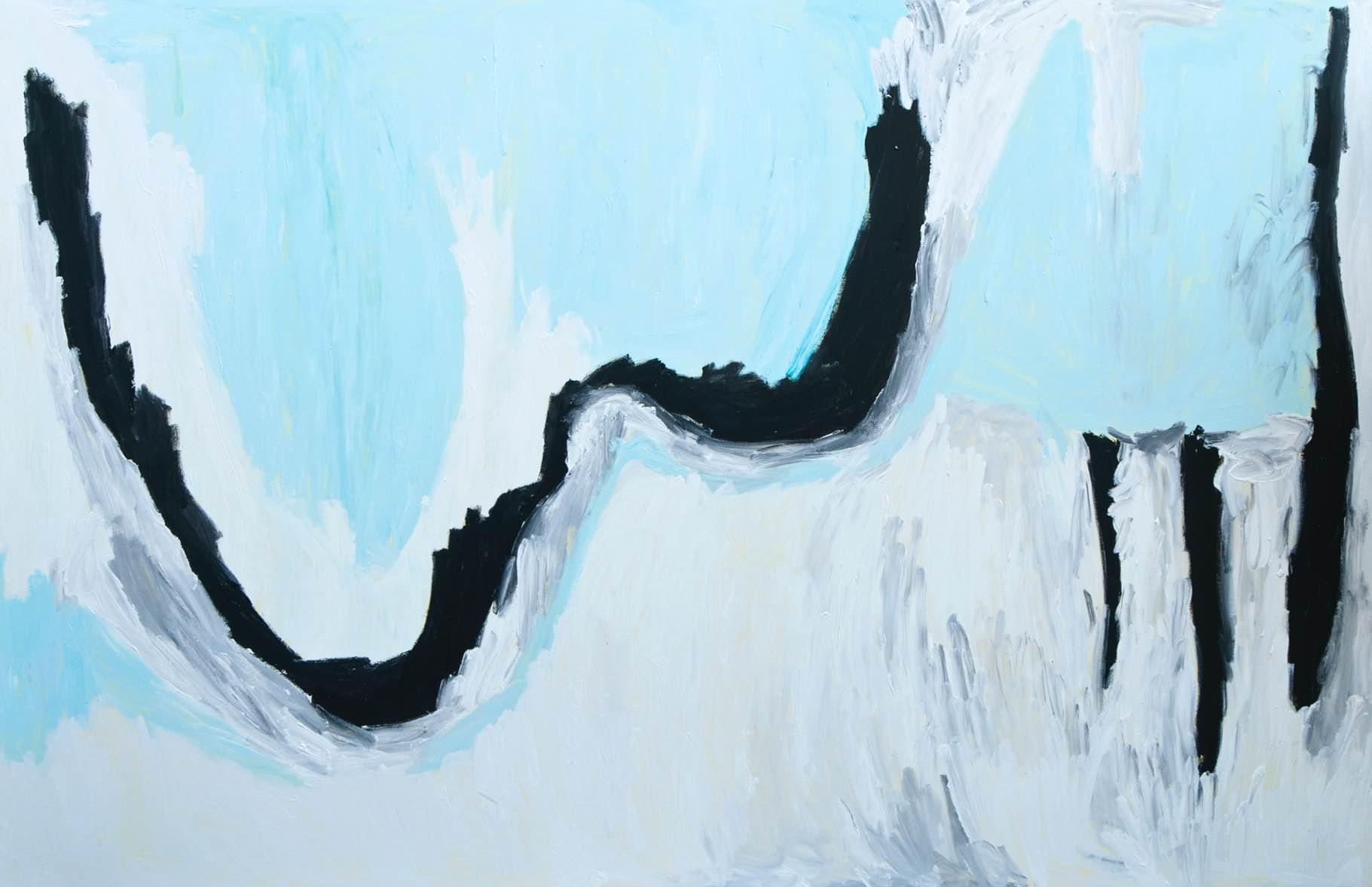
Sally Gabori, Nyinyilki, 2010. Synthetic polymer paint on linen, 196 × 300 cm. Private collection, Melbourne, Australia. © The Estate of Sally Gabori / Adagp, Paris, 2022. Photo © Simon Strong
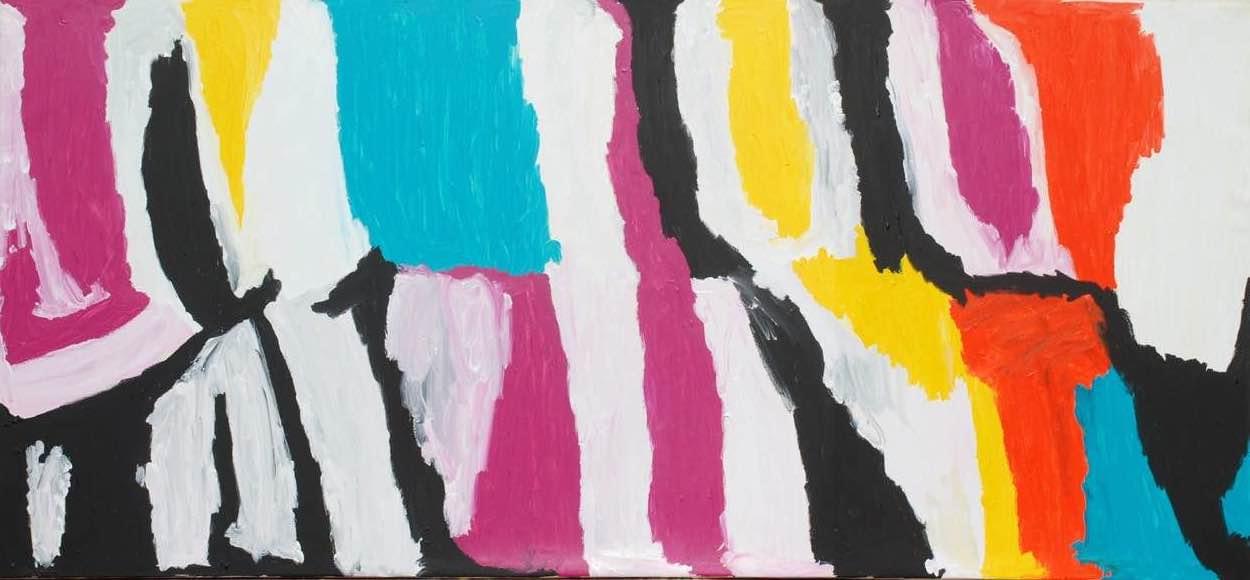
Sally Gabori, Dibirdibi Country, 2010. Synthetic polymer paint on linen, 196 × 456 cm. Collection of Garance Primat, Geneva, Switzerland. © The Estate of Sally Gabori / Adagp, Paris, 2022. Photo © Marian Gérard, Studio Gérard, Geneva, Switzerland
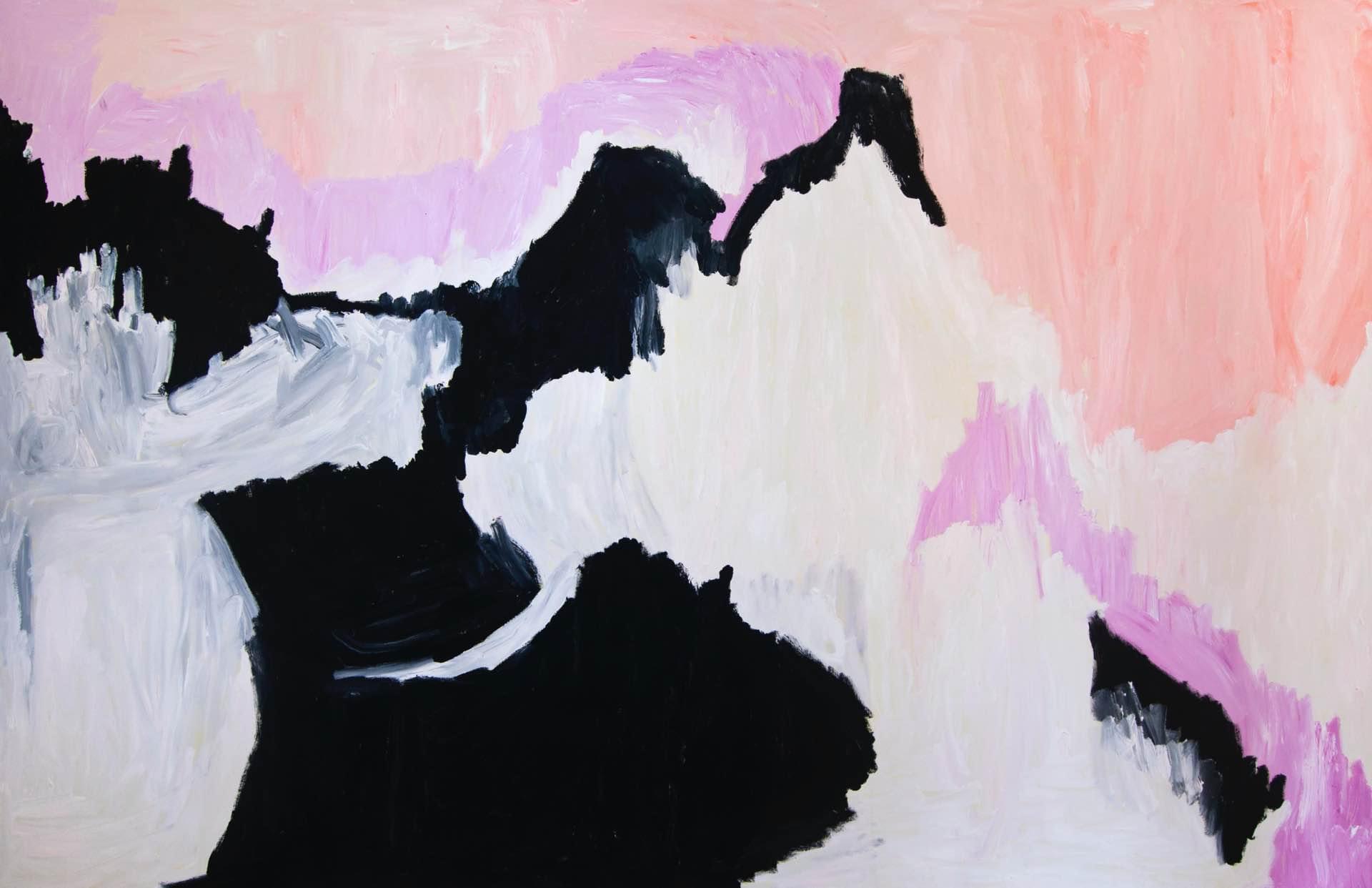
Her father’s Country around Thundi, and her brother King Alfred’s Country around the mouth of the Makarrki river in the north of the island, feature frequently as themes in her paintings. Nicholas Evans, “The Eye of the Dolphin: Sally Gabori and the Kaiadilt Vision”, in Mirdidingkingathi Juwarnda Sally Gabori. Publication Fondation Cartier pour l’art contemporain, Paris, 2022.
Sally Gabori, Thundi, 2010. Synthetic polymer paint on linen, 196 × 300 cm. Private collection, Melbourne, Australia. © The Estate of Sally Gabori / Adagp, Paris, 2022. Photo © Simon Strong
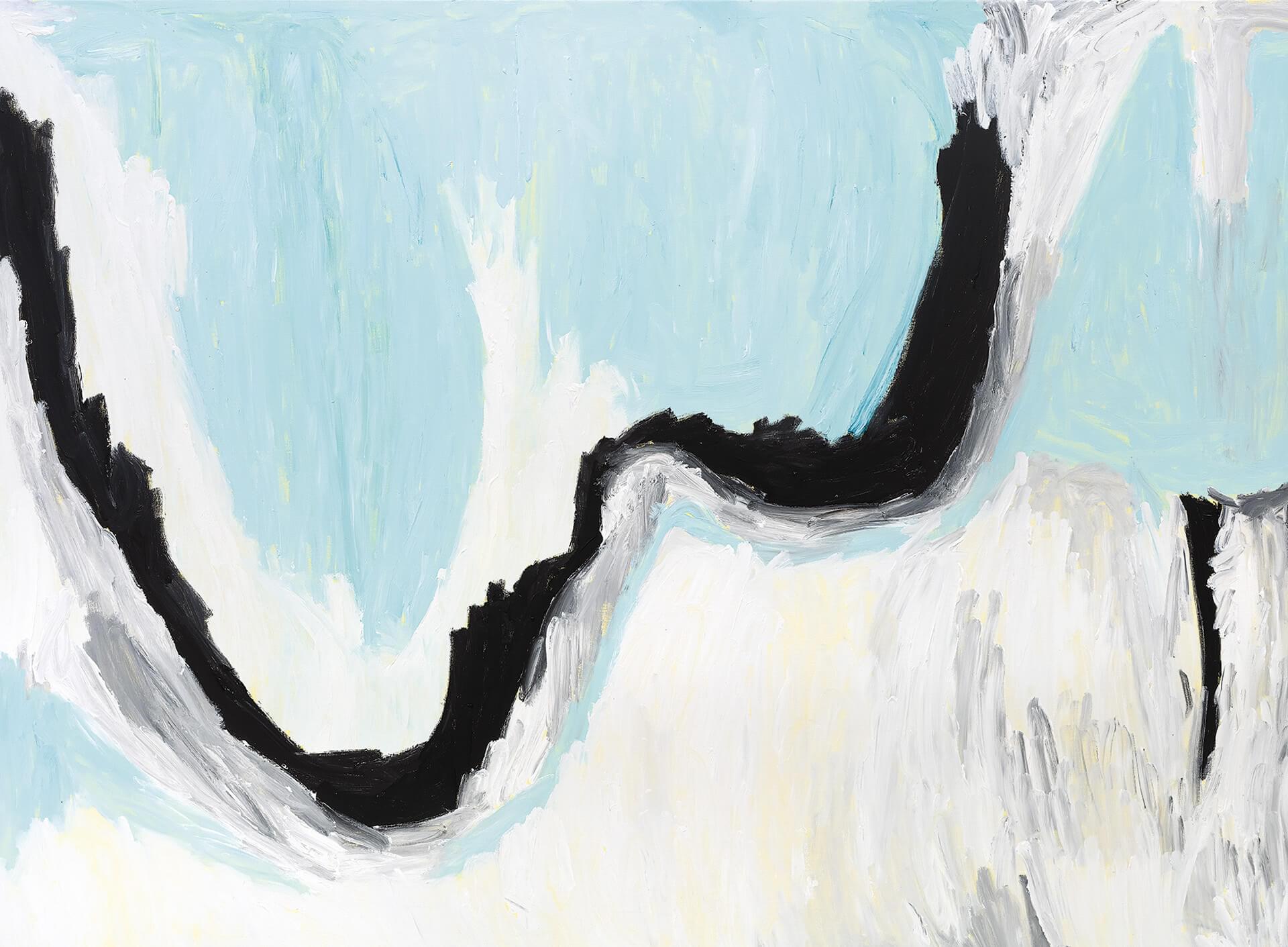
Detail of Sally Gabori, Nyinyilki, 2010. Synthetic polymer paint on linen, 196 × 300 cm. Private collection, Melbourne, Australia. © The Estate of Sally Gabori / Adagp, Paris, 2022. Photo © Simon Strong
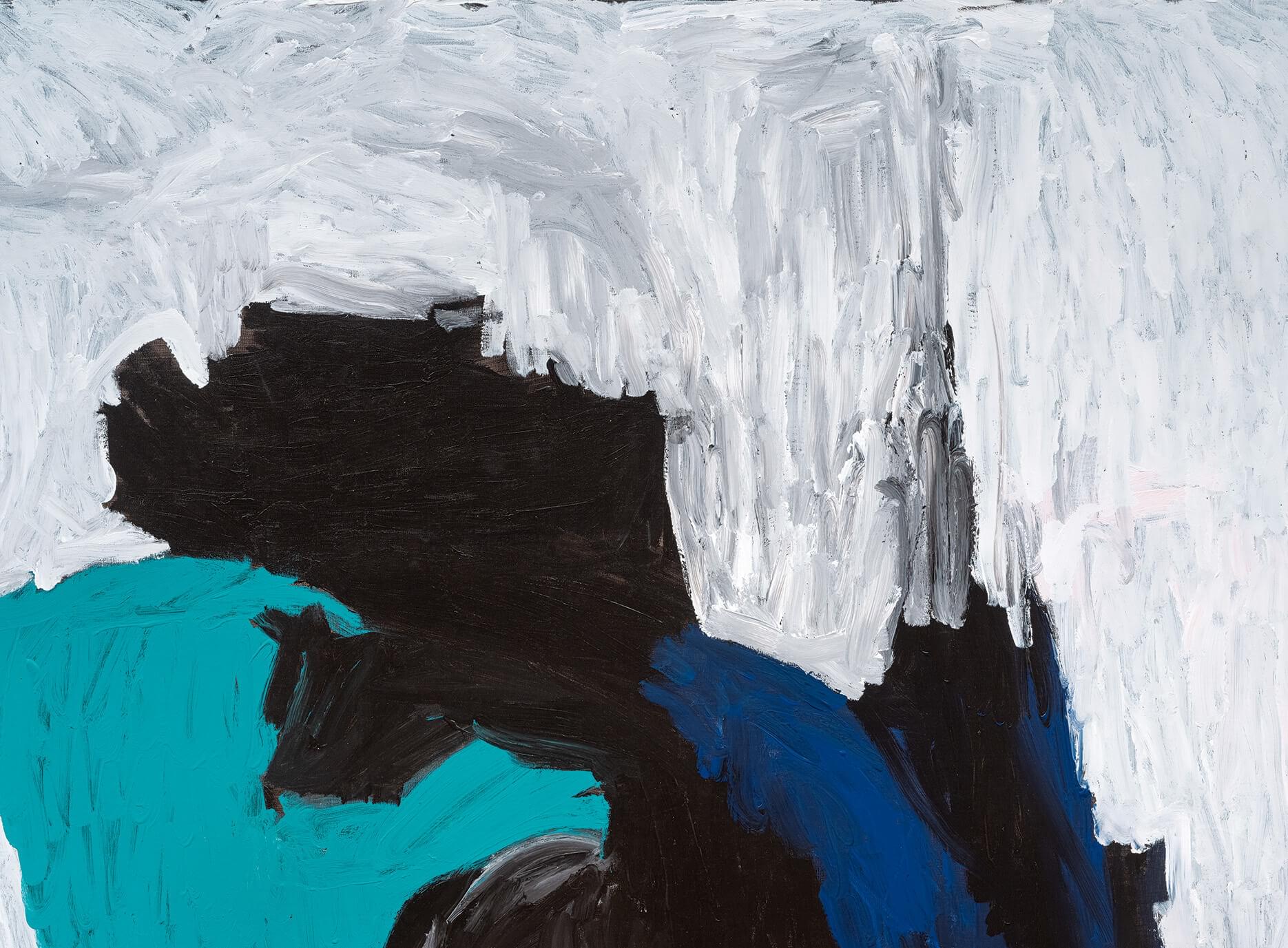
Detail of Sally Gabori, Nyinyilki, 2011. Peinture polymère synthétique sur toile de lin, 196 × 301 cm. Bendigo Art Gallery, Bendigo, Australie. Acquisition 2016. © The Estate of Sally Gabori / Adagp, Paris, 2022 .Photo © Simon Strong.
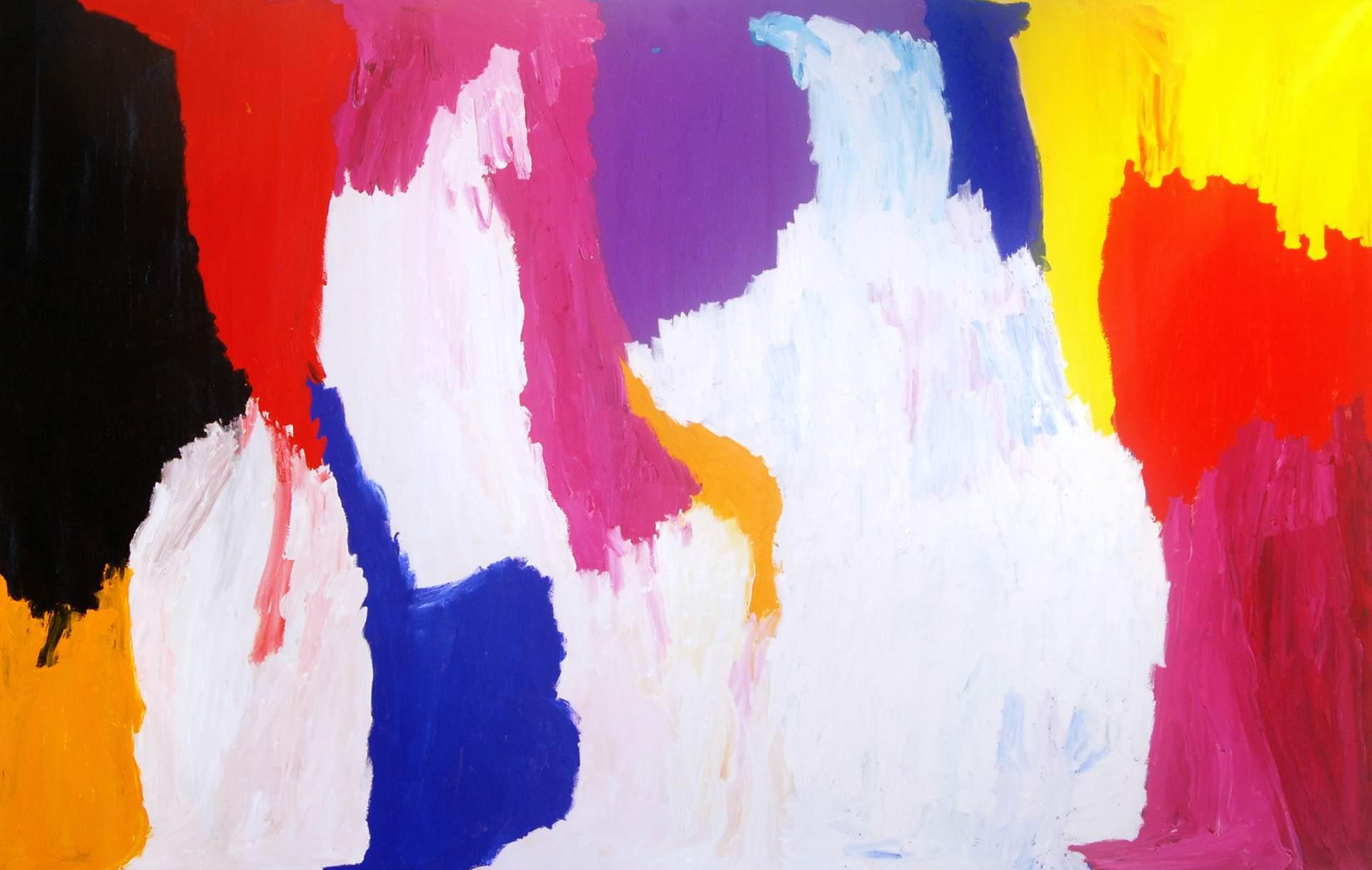
Sally Gabori, Dibirdibi Country, 2008. Synthetic polymer on linen, 198 × 304 cm. National Gallery of Victoria, Melbourne, Australia. Purchased, NGV Supporters of Indigenous Art, 2010. © The Estate of Sally Gabori / Adagp, Paris, 2022. Photo © National Gallery of Victoria
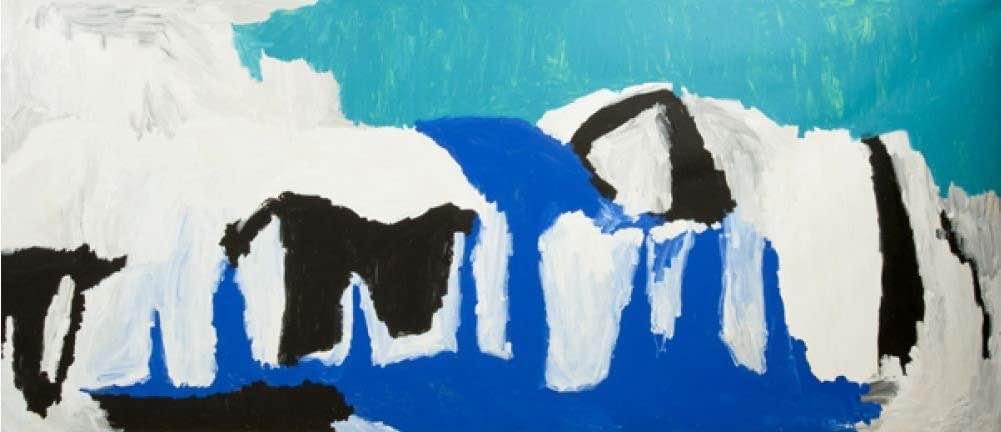
Sally Gabori, Nyinyilki, 2010. Synthetic polymer paint on linen, 200 × 470 cm. Collection HOTA Gallery, Gold Coast, Australie. Gifted by the citizens of the Gold Coast to future generations 2019. © The Estate of Sally Gabori / Adagp, Paris, 2022. Photo © Peter Waddington
The Fondation Cartier pour l’art contemporain wishes to advise the Aboriginal and Torres Strait Islander comunities that this site contains images and names of deceased Aboriginal people.
All images on this site are the property of the Estate of Sally Gabori and the Kaiadilt community.
Any use without their permission is prohibited.