placeholder

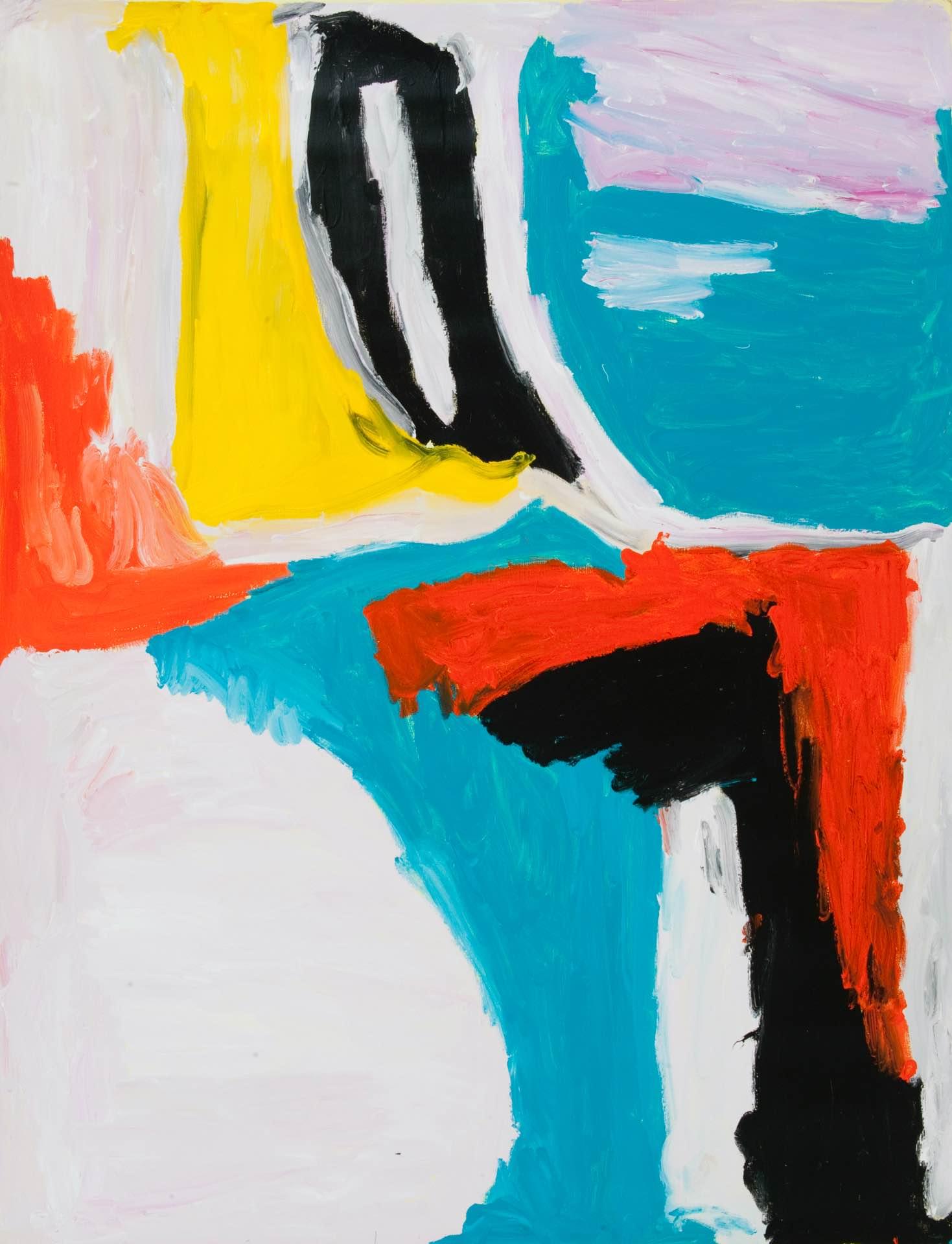
Sally Gabori, Thundi, 2010. Synthetic polymer paint on linen, 198 × 151 cm. Private collection, Bowral, Australia. © The Estate of Sally Gabori / Adagp, Paris, 2022. Photo © Mark Pokorny
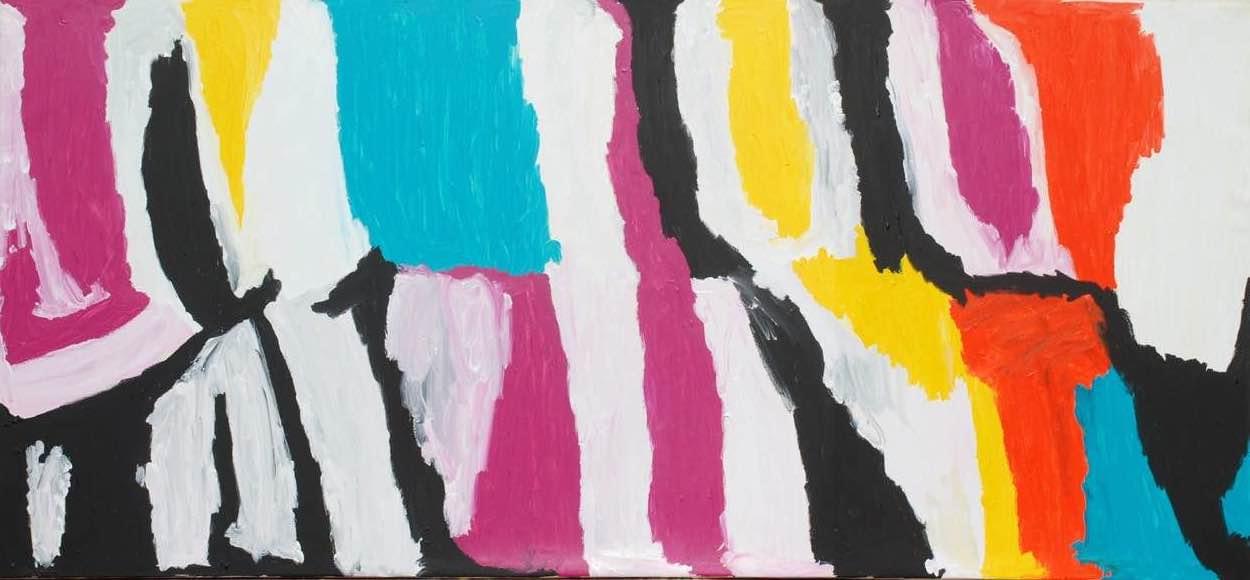
Sally Gabori, Dibirdibi Country, 2010. Synthetic polymer paint on linen, 196 × 456 cm. Collection of Garance Primat, Geneva, Switzerland. © The Estate of Sally Gabori / Adagp, Paris, 2022. Photo © Marian Gérard, Studio Gérard, Geneva, Switzerland
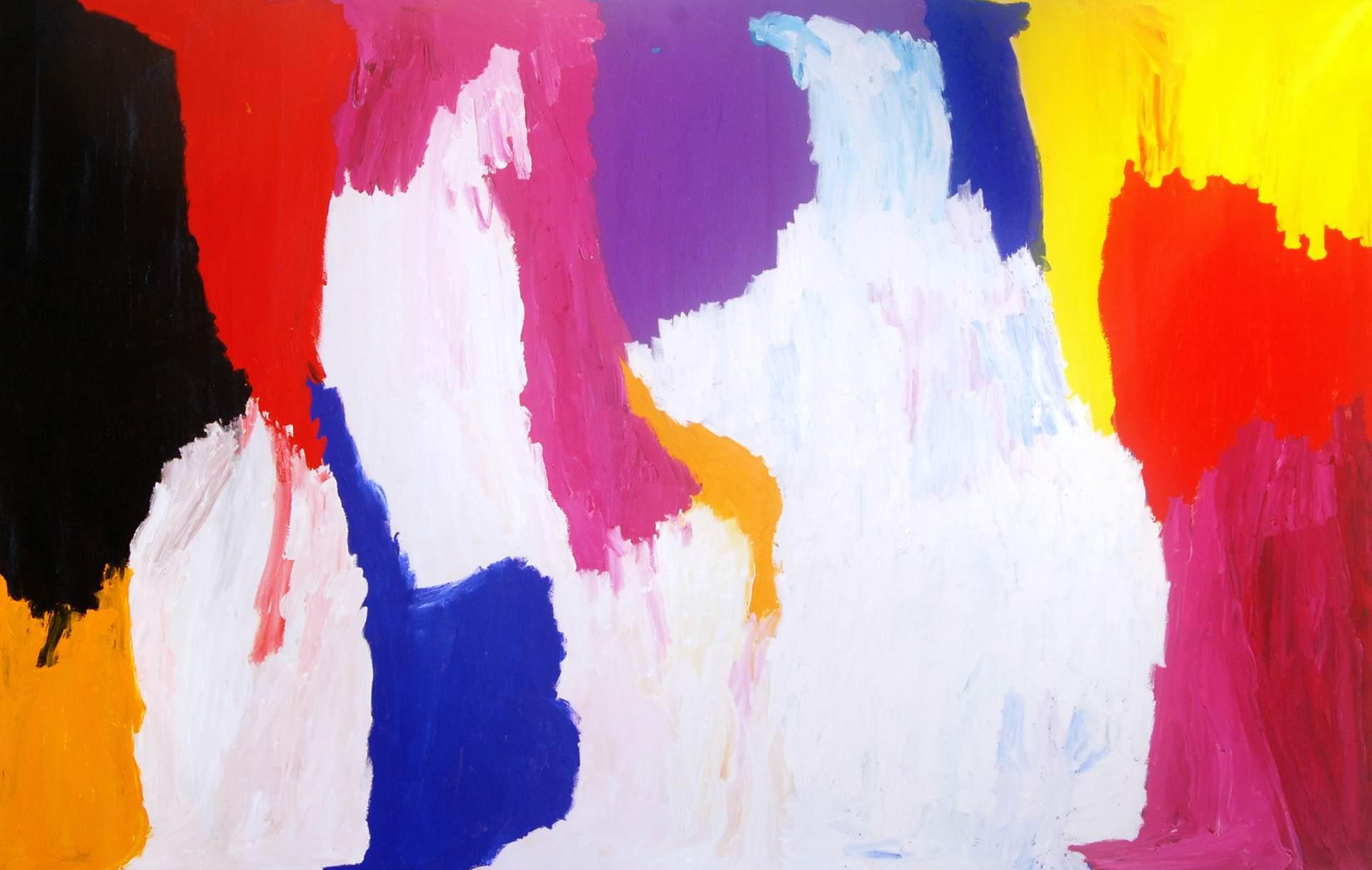
Sally Gabori, Dibirdibi Country, 2008. Synthetic polymer on linen, 198 × 304 cm. National Gallery of Victoria, Melbourne, Australia. Purchased, NGV Supporters of Indigenous Art, 2010. © The Estate of Sally Gabori / Adagp, Paris, 2022. Photo © National Gallery of Victoria
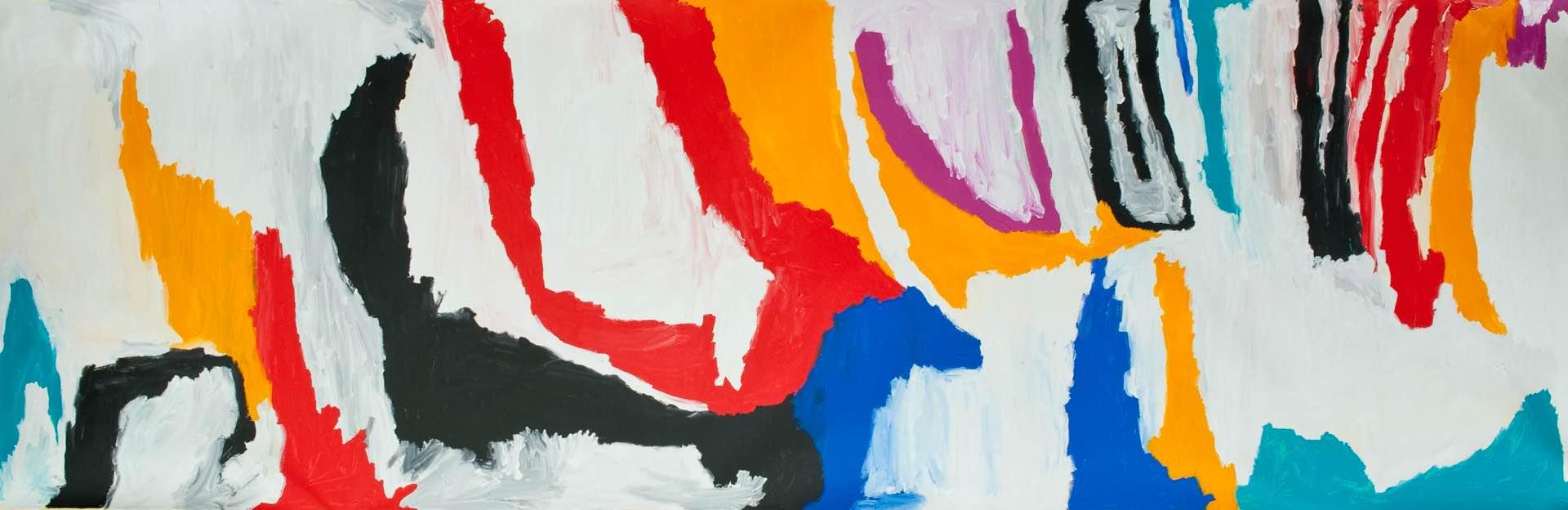
Sally Gabori, Dibirdibi Country, 2010. Synthetic polymer paint on linen, 199 × 607 cm. Art Gallery of New South Wales, Sydney, Australia. Purchased with funds provided by the Aboriginal Collection Benefactors’ Group, 2010. © The Estate of Sally Gabori / Adagp, Paris, 2022. Photo © AGNSW
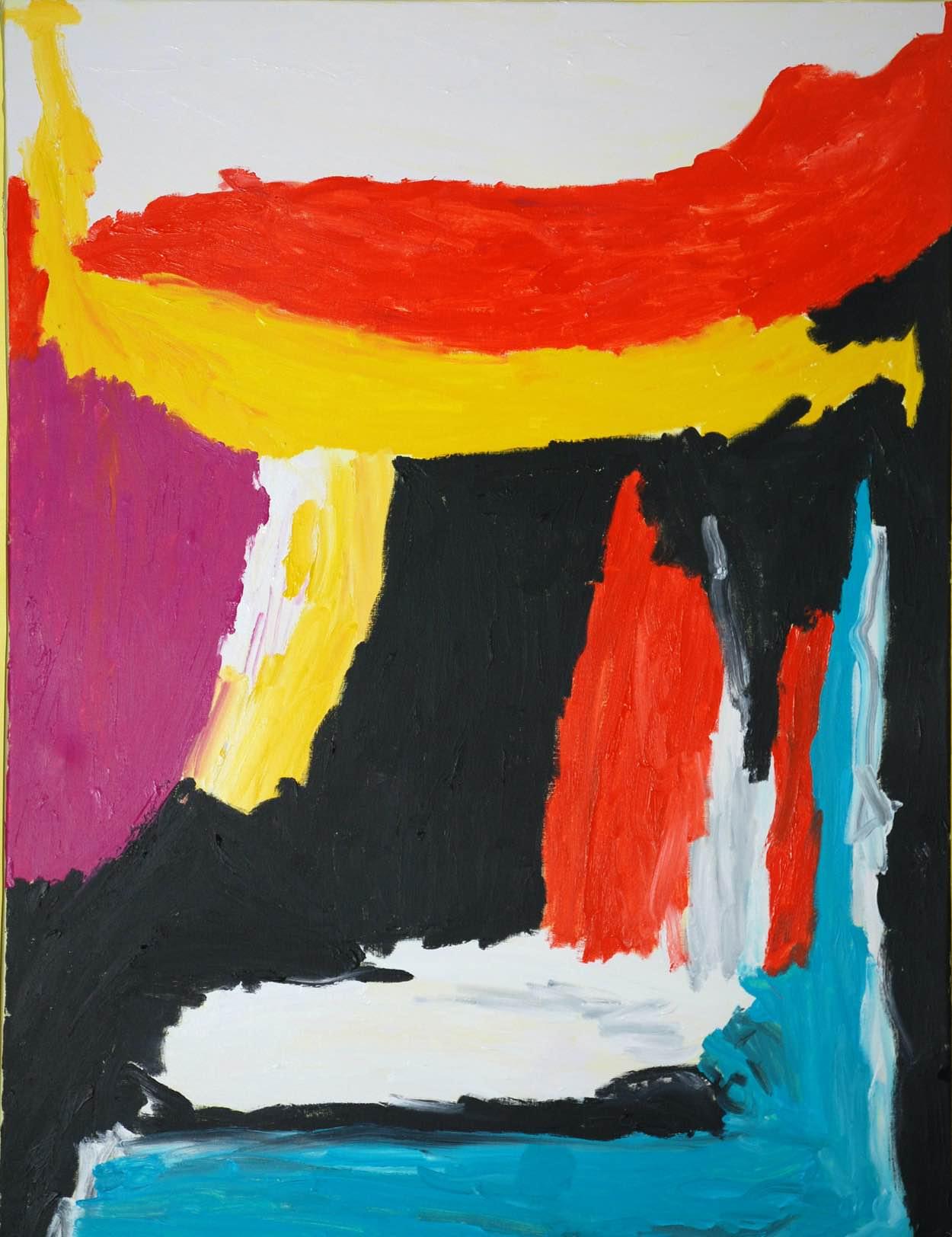
Sally Gabori, Thundi, 2010. Synthetic polymer paint on linen, 198 × 151 cm. Private collection, Bowral, Australia. © The Estate of Sally Gabori / Adagp, Paris, 2022. Photo © Mark Pokorny
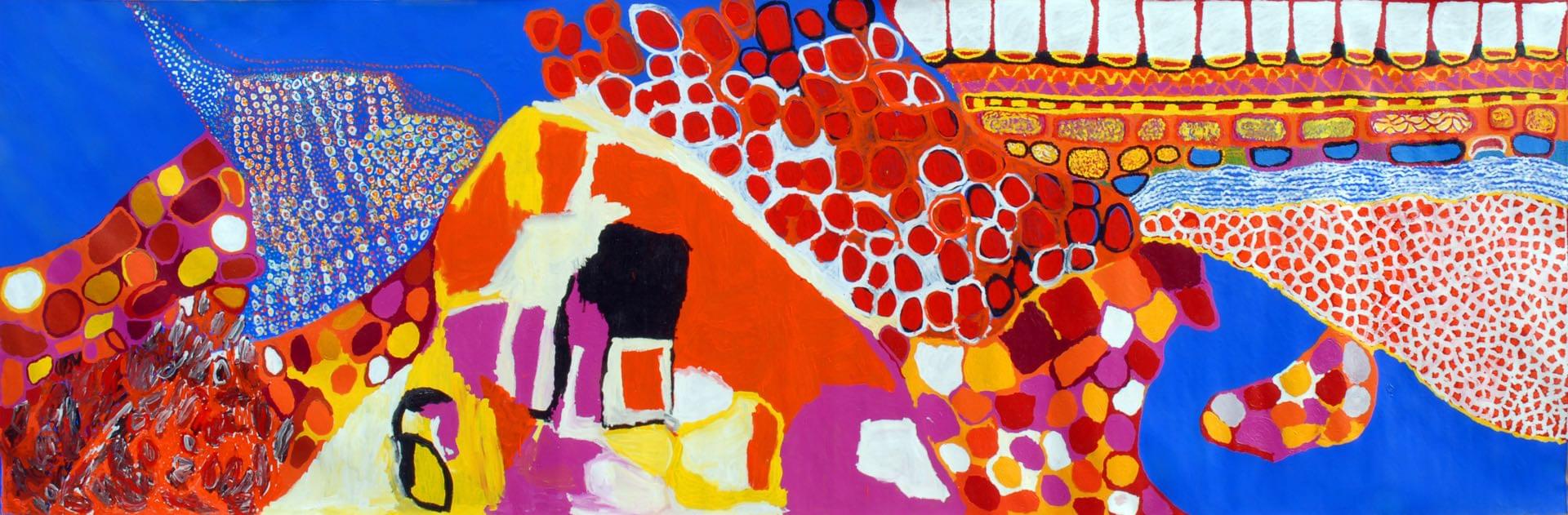
Because Bentinck Island and its small surrounding islands were the whole world for the Kaiadilt people, they did not need a word for Bentinck Island itself, since in actual conversation what was always more important were the specific places, whose names rub shoulders every few hundred metres. So, when anthropologist Norman Tindale sought a translation for the European name Bentinck Island, to place on his epic 1962 map, he was given the name Dulka warngiid, which he translated as ‘land of all’, and it stuck. But it can equally well be translated as ‘the one place’, or ‘the whole world.’ Bruce Johnson McLean, "Dulka Warngiid: The Whole world" in Mirdidingkingathi Juwarnda Sally Gabori. Publication Fondation Cartier pour l’art contemporain, Paris, 2022.
Birmuyingathi Maali Netta Loogatha, Mirdidingkingathi Juwarnda Sally Gabori, Warthadangathi Bijarrba Ethel Thomas, Thunduyingathi Bijarrb May Moodoonuthi, Kuruwarriyingathi Bijarrb Paula Paul, Wirrngajingathi Bijarrb Kurdalalngk Dawn Naranatjil, Rayarriwarrtharrbayingathi Mingungurra Amy Loogatha, Dulka Warngiid, 2007. Synthetic polymer paint on linen, 199 × 605 cm. National Gallery of Victoria, Melbourne, Australia. Purchased with funds donated by Catherine Allen, Carolyn Berger and Delma Valmorbida, 2007 / Adagp, Paris, 2022.

Sally Gabori, Outside Dibirdibi, 2008. Synthetic polymer paint on linen, 196 × 608 cm. National Gallery of Australia, Canberra, Australia. Acquired with Founding Donors 2009 Fund. © Estate Sally Gabori / Adagp, Paris, 2022. Photo © National Gallery of Australia
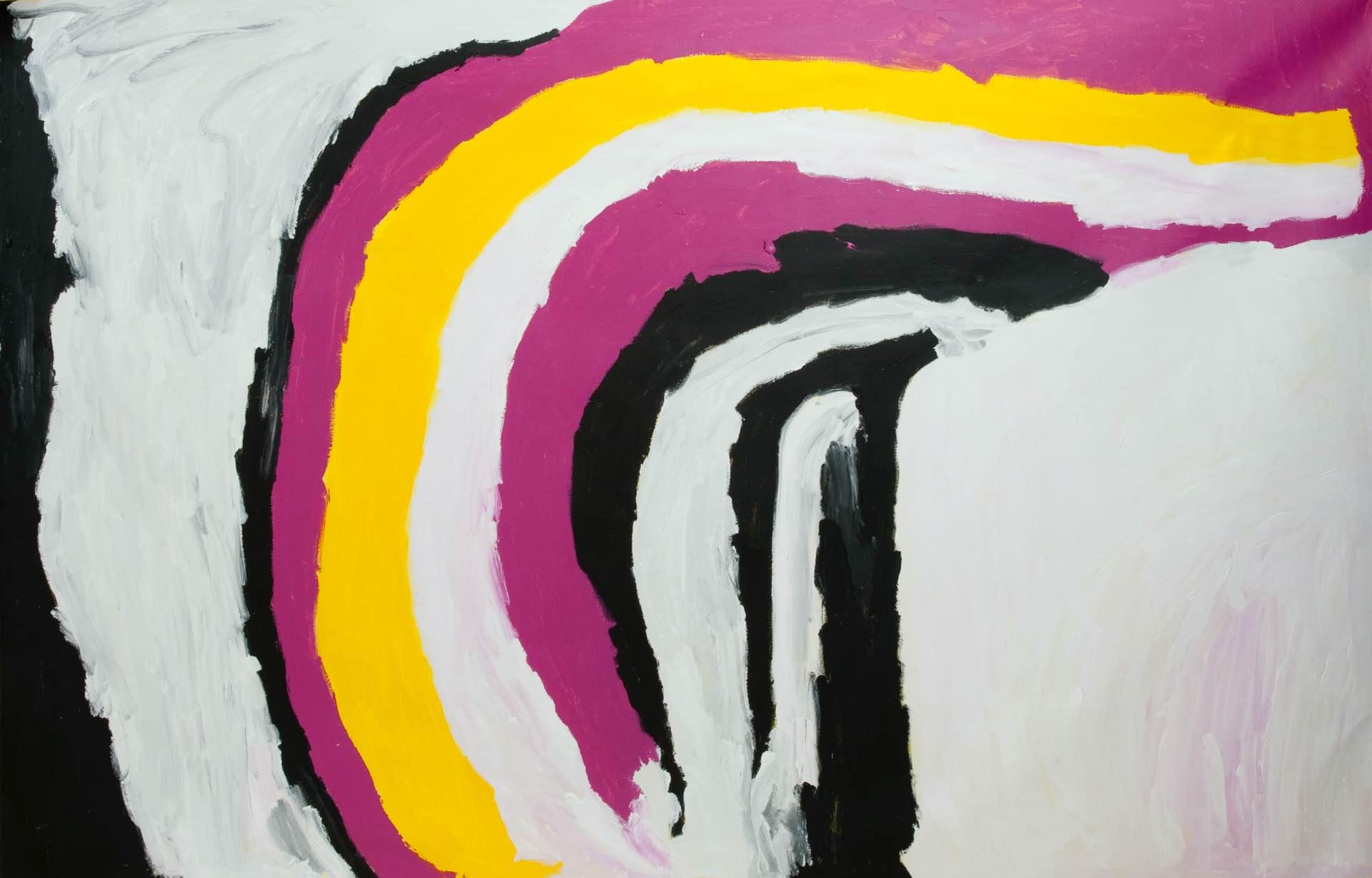
Sally Gabori, Thundi – Big River, 2010. Synthetic polymer paint on linen, 196 × 306 cm. David Gyngell and Leila McKinnon, Sydney, Australia. © The Estate of Sally Gabori / Adagp, Paris, 2022. Photo © Mark Pokorny
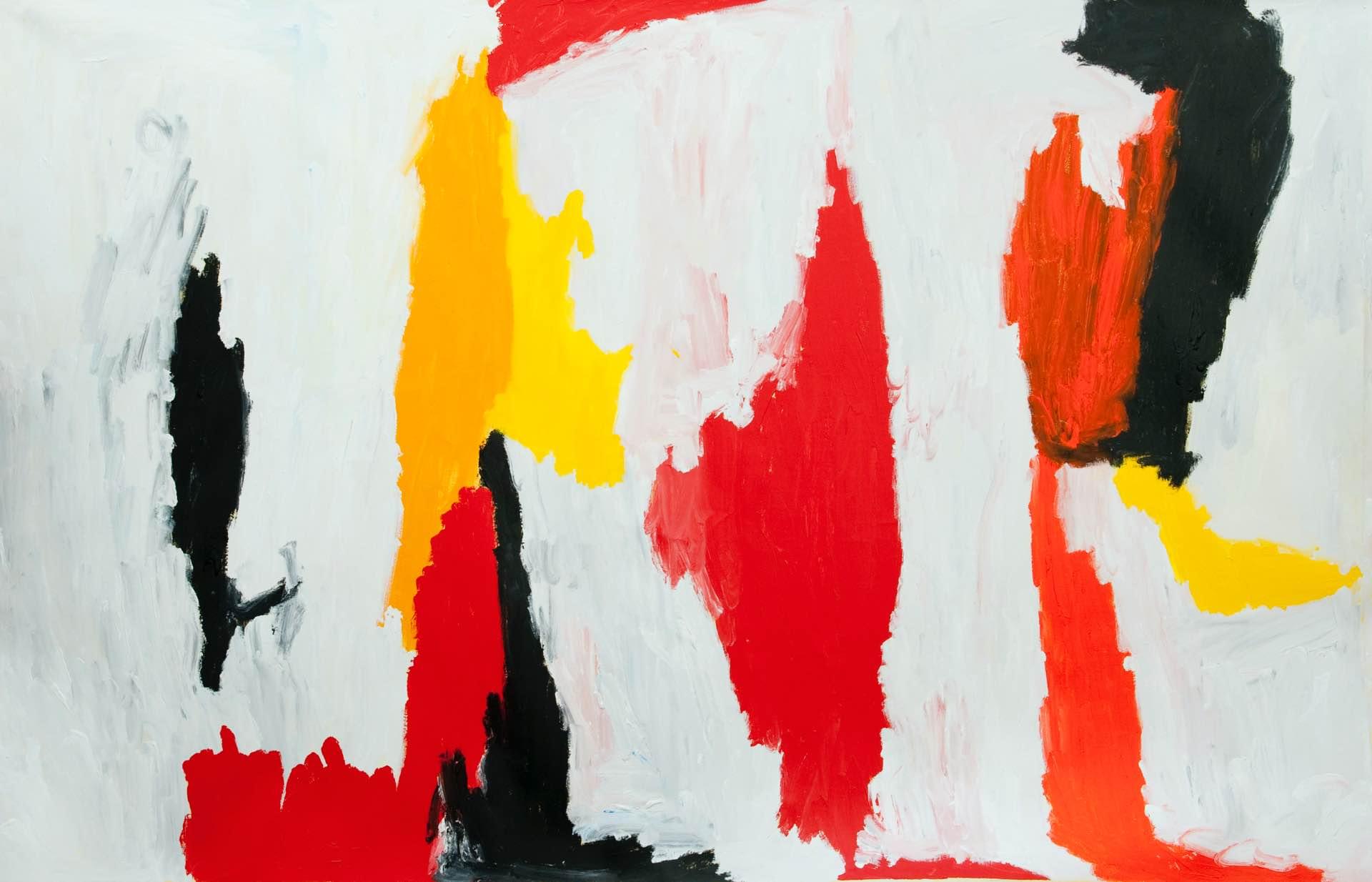
Abandoning herself to spatiality and memory, Sally Gabori uses shifting colors to irradiate her canvases, offering a luminous representation of the landscape of Bentinck Island: salt pans, estuaries, rocky ridges, mangroves, rivers, reefs, stone fish traps, but also the fresh water source where Dibirdibi met his demise. The power of the artist’s gesture lies in the evocation of the sensations associated with these places, to which she was culturally and intimately linked.
Sally Gabori, Dibirdibi Country, 2010. Synthetic polymer paint on linen, 200 × 305 cm. Estate Sally Gabori, Cairns and Alcaston Gallery, Melbourne, Australia. © The Estate of Sally Gabori / Adagp, Paris, 2022. Photo © Simon Strong
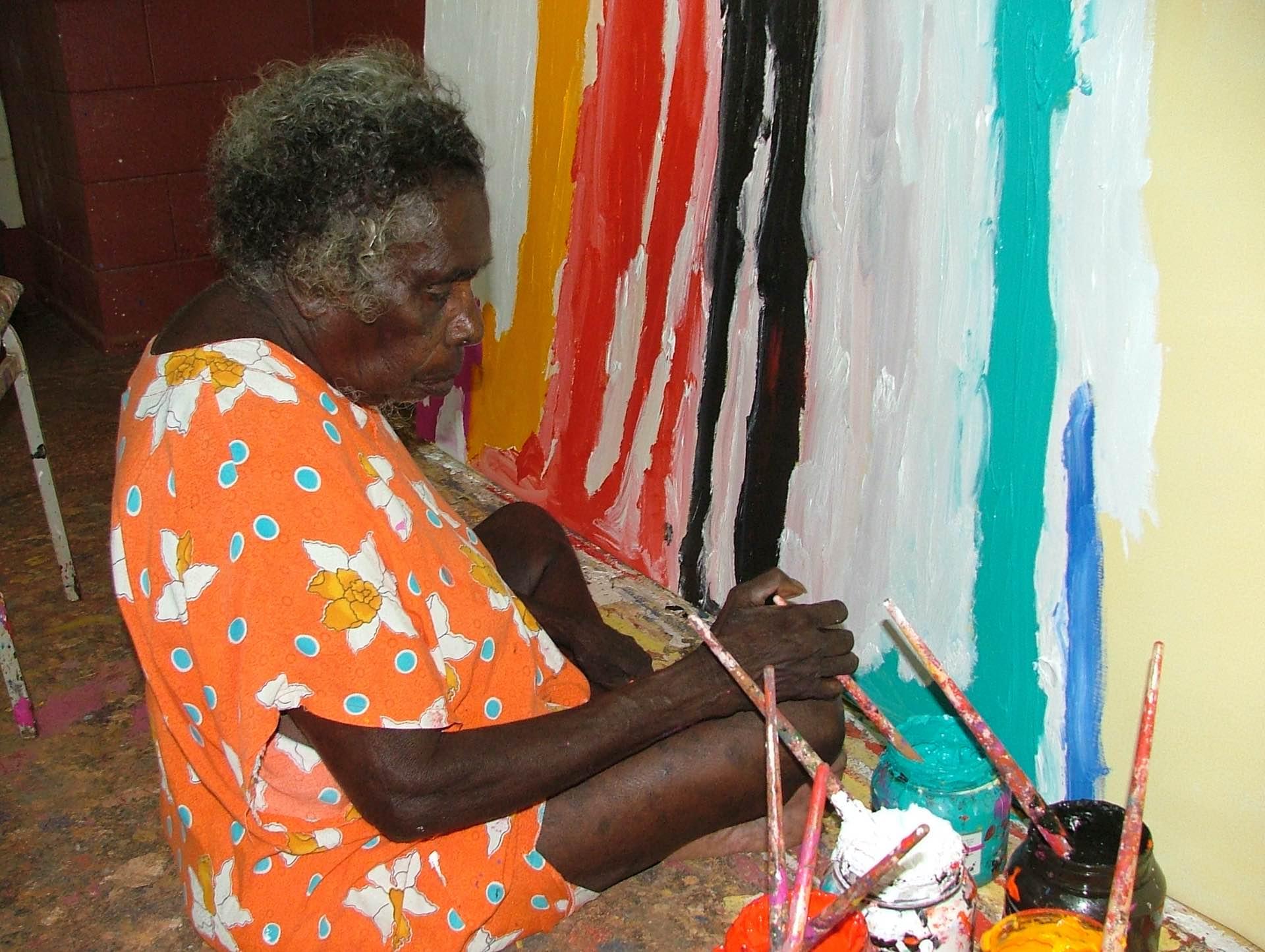
Sally Gabori painting Dibirdibi Country. Art & Craft Center, Mornington Island, 2010. Photo © Inge Cooper
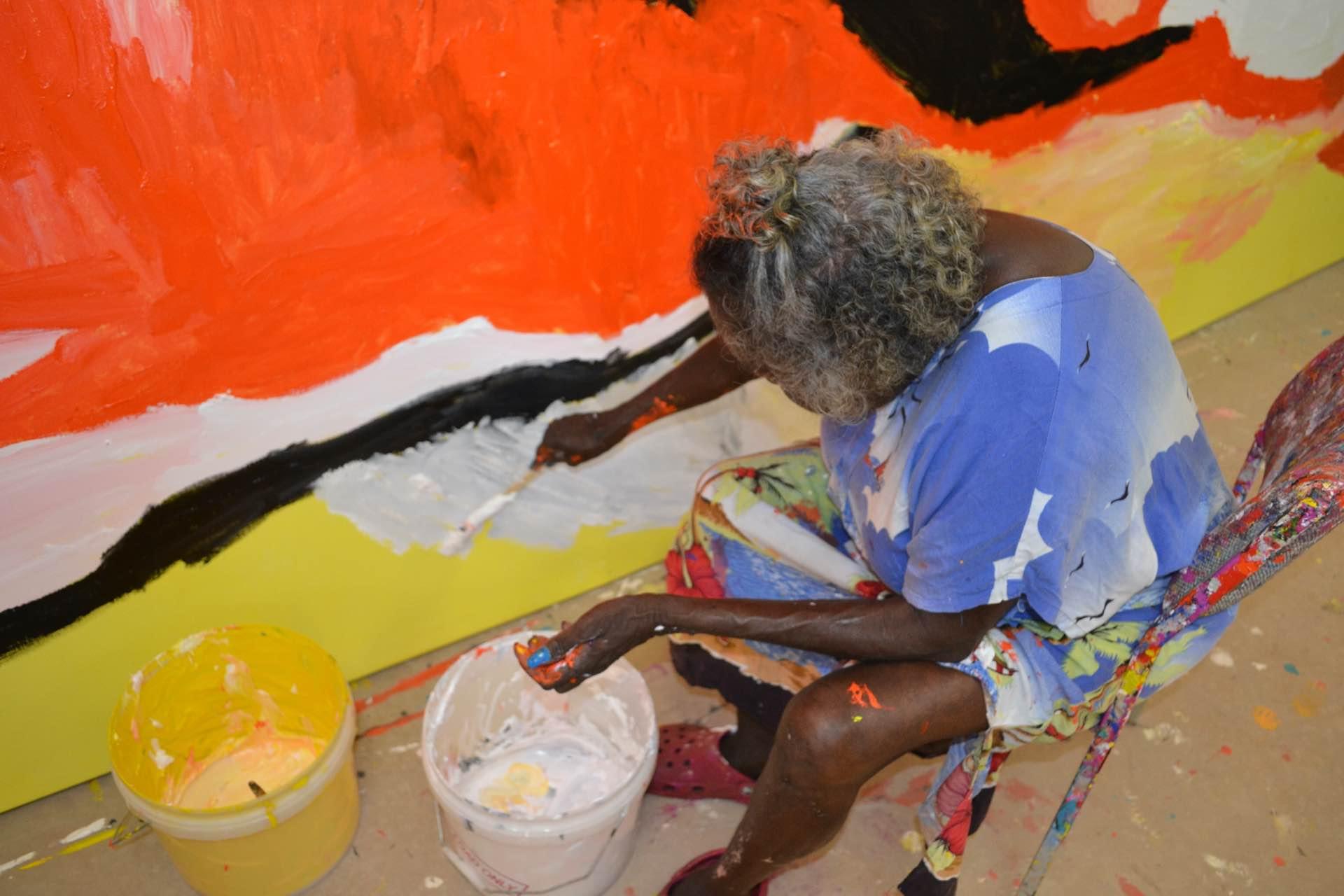
Sally Gabori grew to womanhood in the fully traditional cultural setting described above, and in her twenties became the fourth co-wife of Pat Gabori (Kabararrjingathi Bulthuku, 1922-2009). Nicholas Evans, "The Eye of the Dolphin: Sally Gabori and the Kaiadilt Vision", in Mirdidingkingathi Juwarnda Sally Gabori. Publication Fondation Cartier pour l’art contemporain, Paris, 2022.
Sally Gabori painting Dibirdibi Country. Art and Craft Centre, Mornington Island, 2011. Photo © Inge Cooper
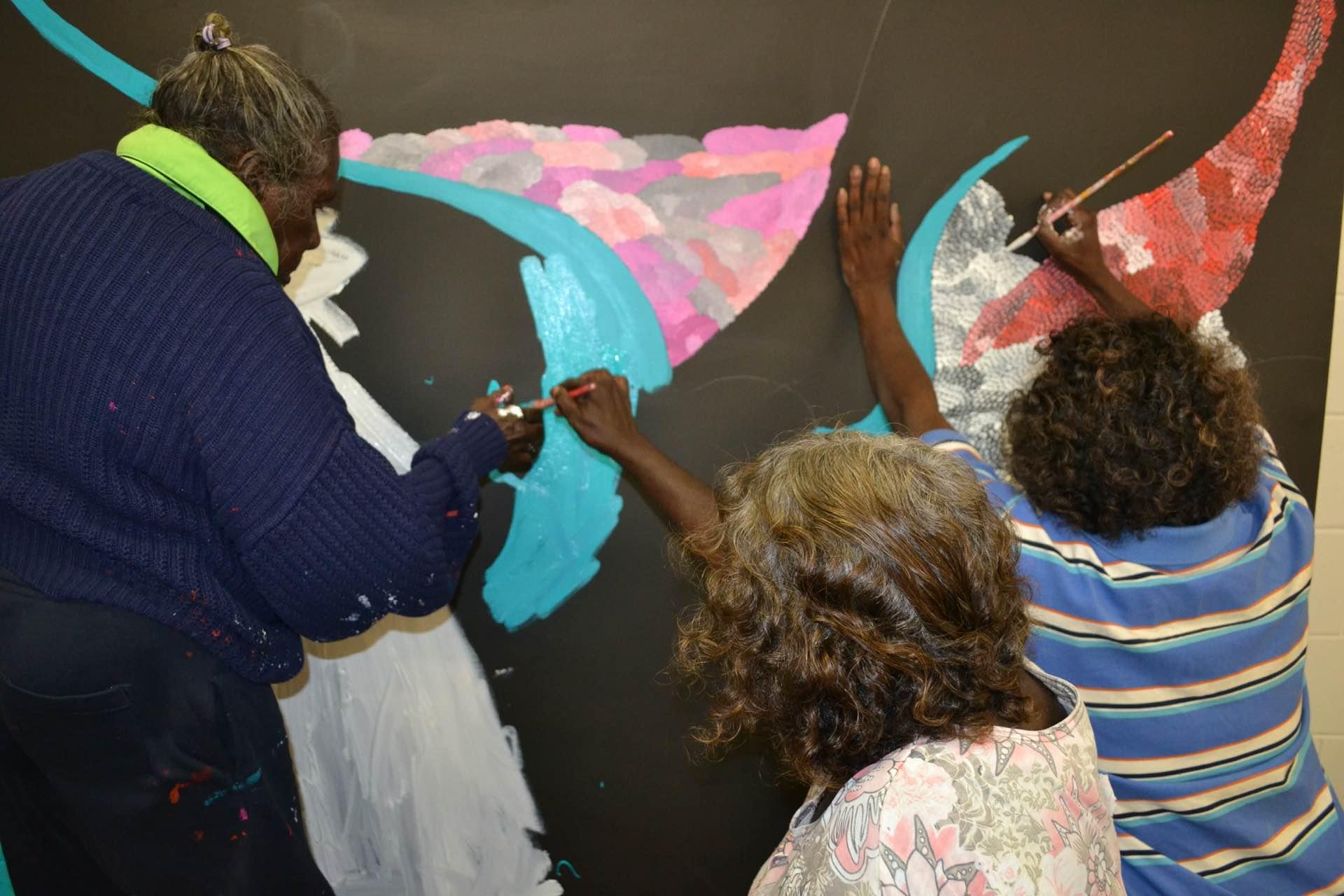
Sally Gabori, Amanda Gabori and Elsie Gabori painting Pat and Sally’s Country. Art and Craft Centre, Mornington Island, 2011. Photo © Inge Cooper
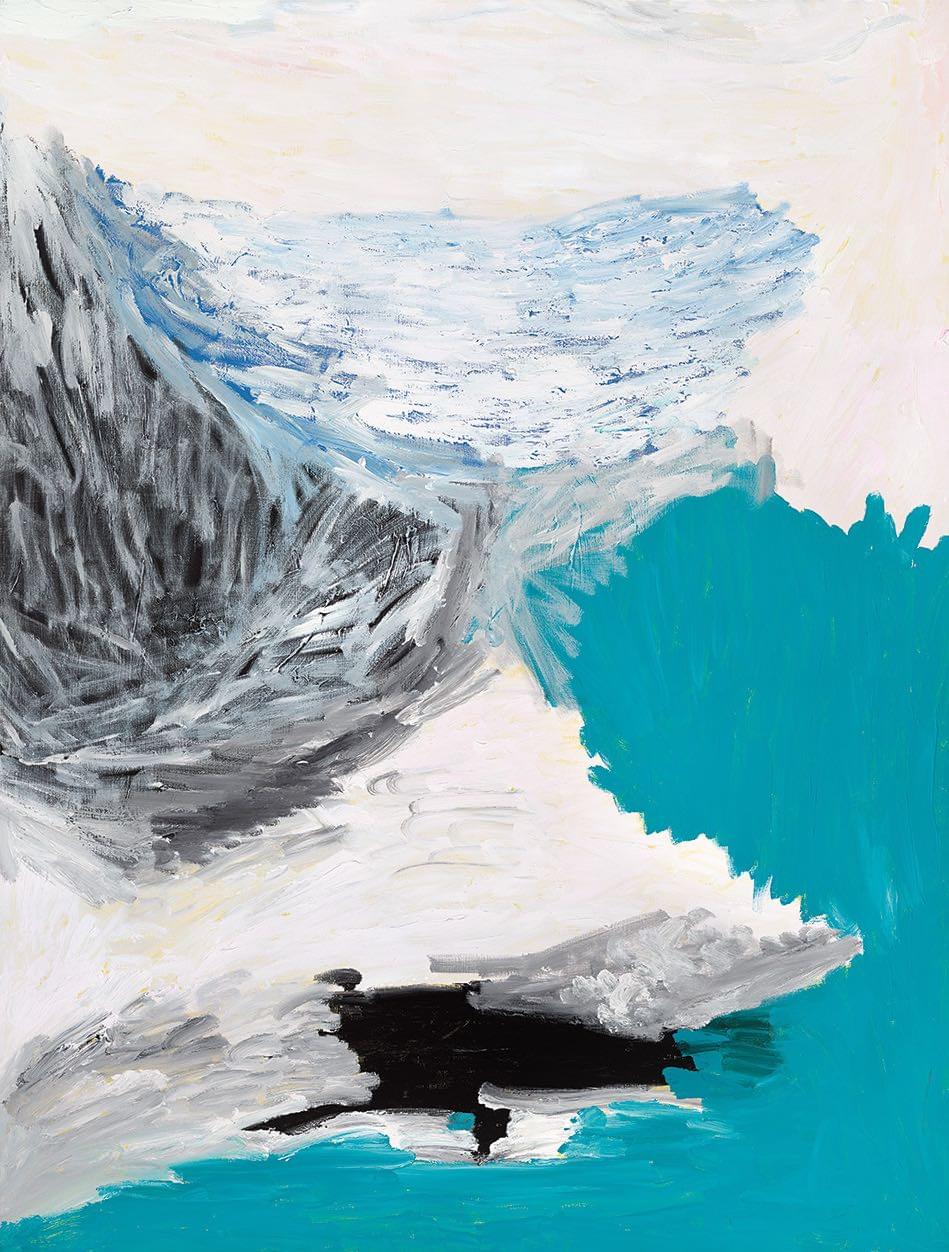
Sally Gabori, Thundi, 2010. Synthetic polymer paint on linen, 196 × 151 cm. Private collection, Perth, Australia / Bartram/O’Neill. © The Estate of Sally Gabori / Adagp, Paris, 2022. Photo © Henry Whitehead.
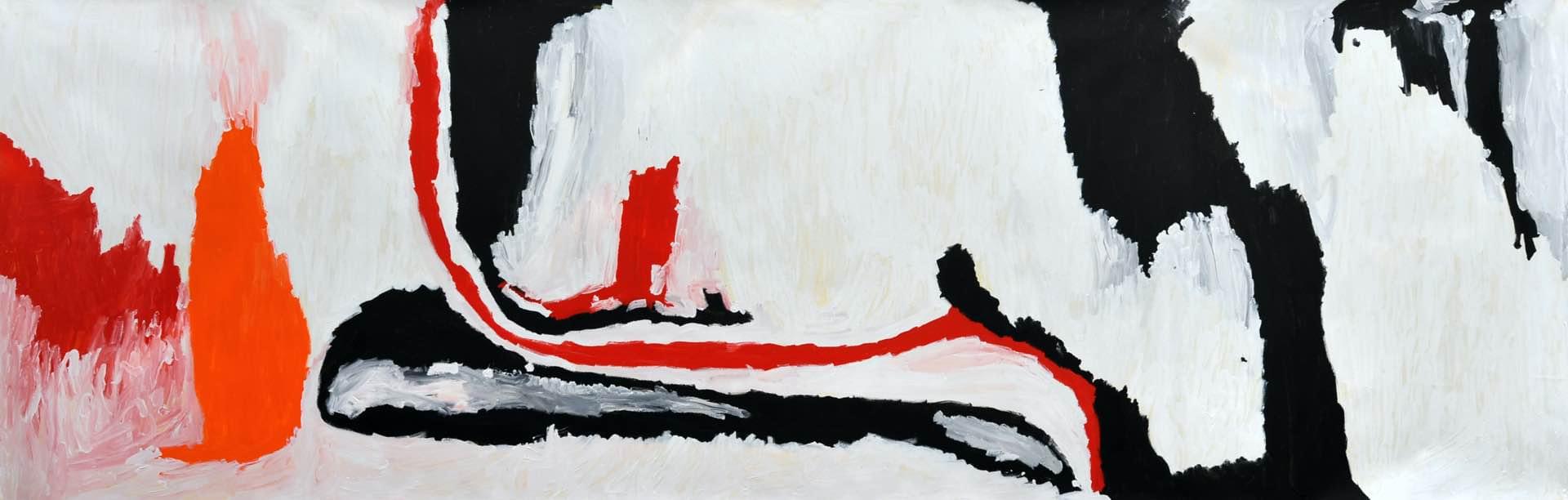
Sally Gabori, Nyinyilki, 2009. Synthetic polymer paint on linen, 198 × 607 cm. National Gallery of Australia, Canberra, Australia. Purchased in 2011. © The Estate of Sally Gabori / Adagp, Paris, 2022. Photo © National Gallery of Australia
Sally Gabori's family talking about family history. Cairns, 2022. Video © Craig Bender and Vera Hong
The Fondation Cartier pour l’art contemporain wishes to advise the Aboriginal and Torres Strait Islander comunities that this site contains images and names of deceased Aboriginal people.
All images on this site are the property of the Estate of Sally Gabori and the Kaiadilt community.
Any use without their permission is prohibited.