placeholder


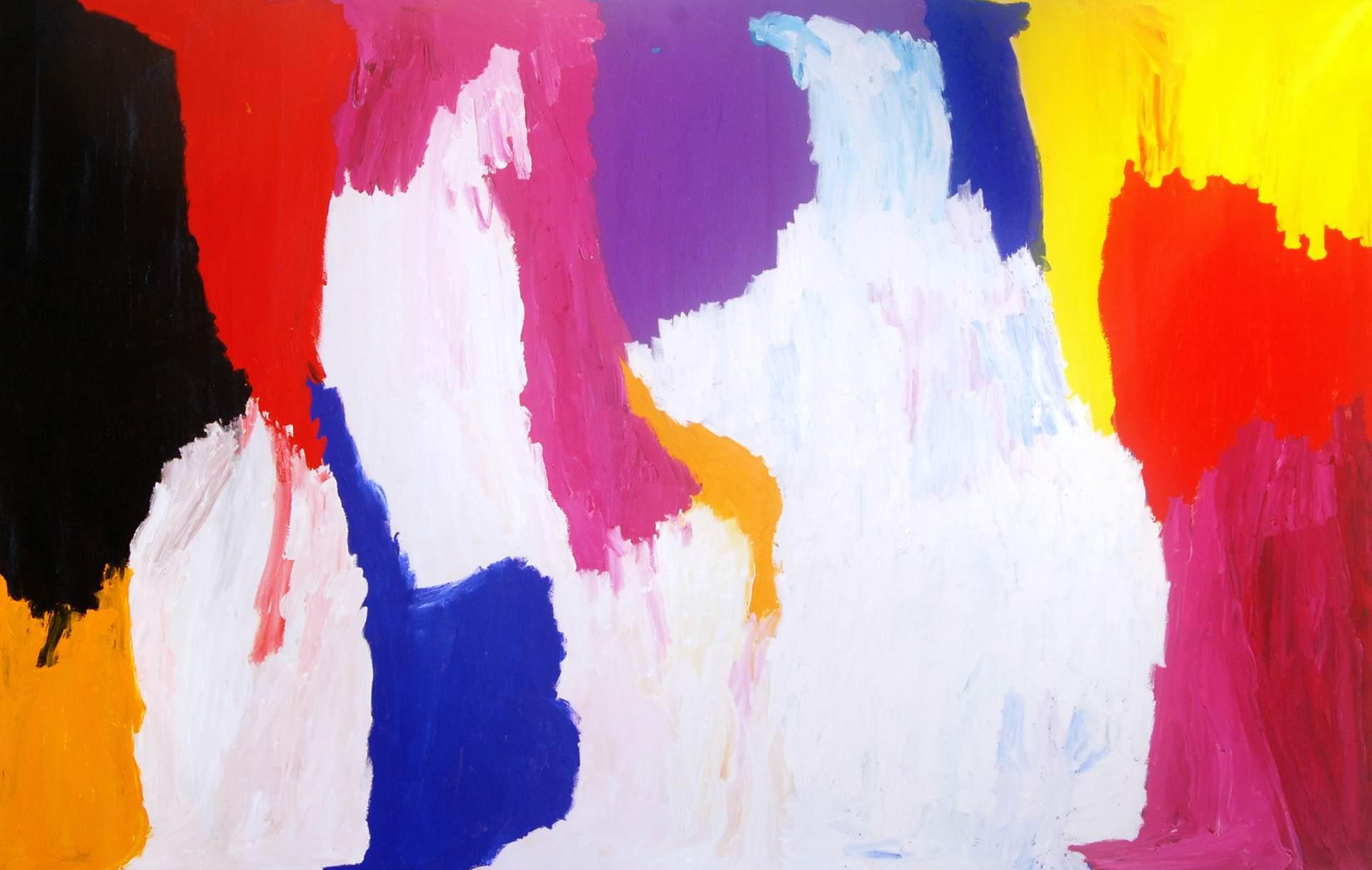
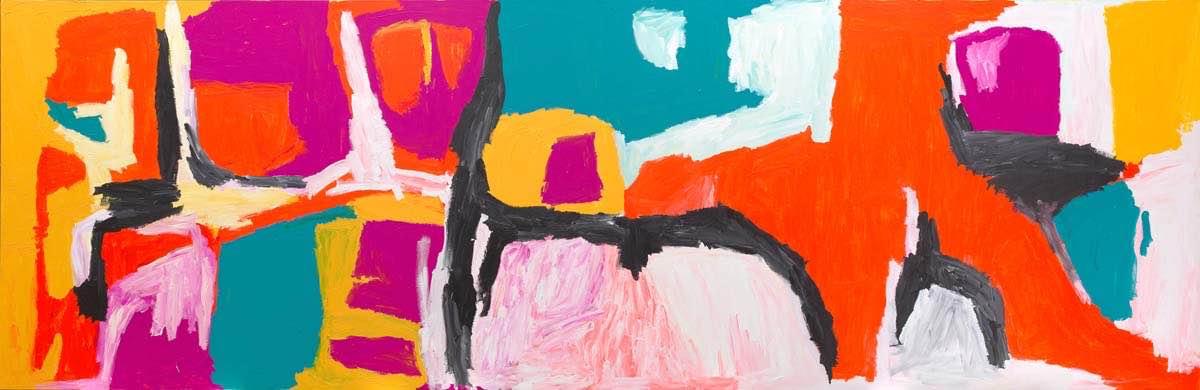
Sally Gabori, Dibirdibi Country, 2010. Synthetic polymer paint on linen, 200 × 305 cm. Estate Sally Gabori, Cairns and Alcaston Gallery, Melbourne, Australia. © The Estate of Sally Gabori / Adagp, Paris, 2022. Photo © Simon Strong
Sally Gabori, Dibirdibi Country, 2008. Synthetic polymer on linen, 198 × 304 cm. National Gallery of Victoria, Melbourne, Australia. Purchased, NGV Supporters of Indigenous Art, 2010. © The Estate of Sally Gabori / Adagp, Paris, 2022. Photo © National Gallery of Victoria
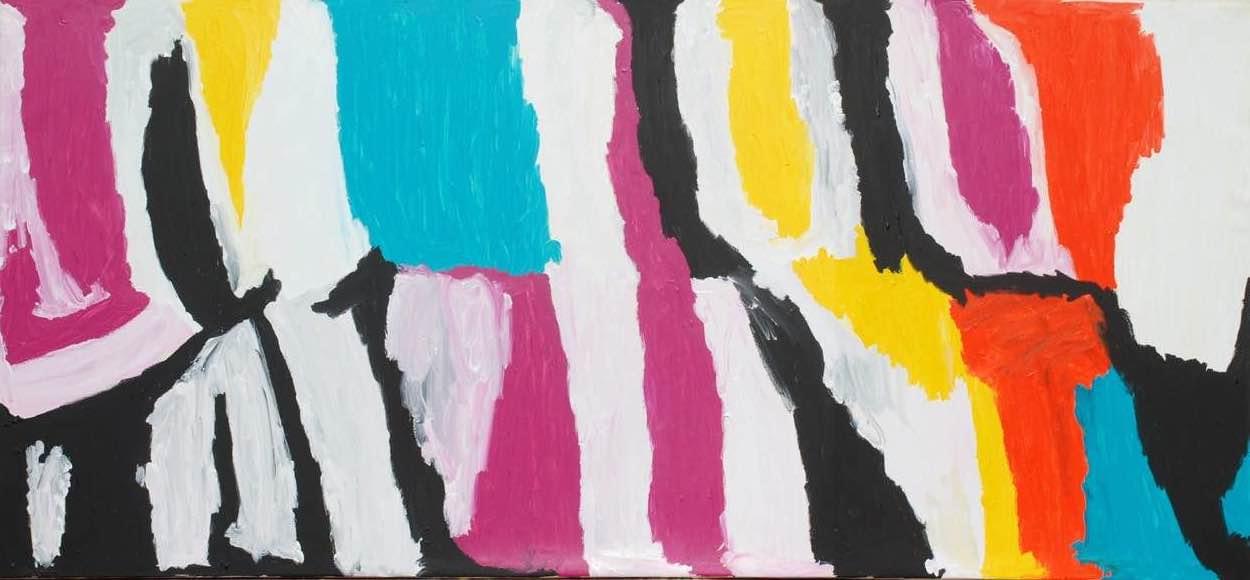
Sally Gabori, Dibirdibi Country, 2010. Synthetic polymer paint on linen, 196 × 456 cm. Collection of Garance Primat, Geneva, Switzerland. © The Estate of Sally Gabori / Adagp, Paris, 2022. Photo © Marian Gérard, Studio Gérard, Geneva, Switzerland
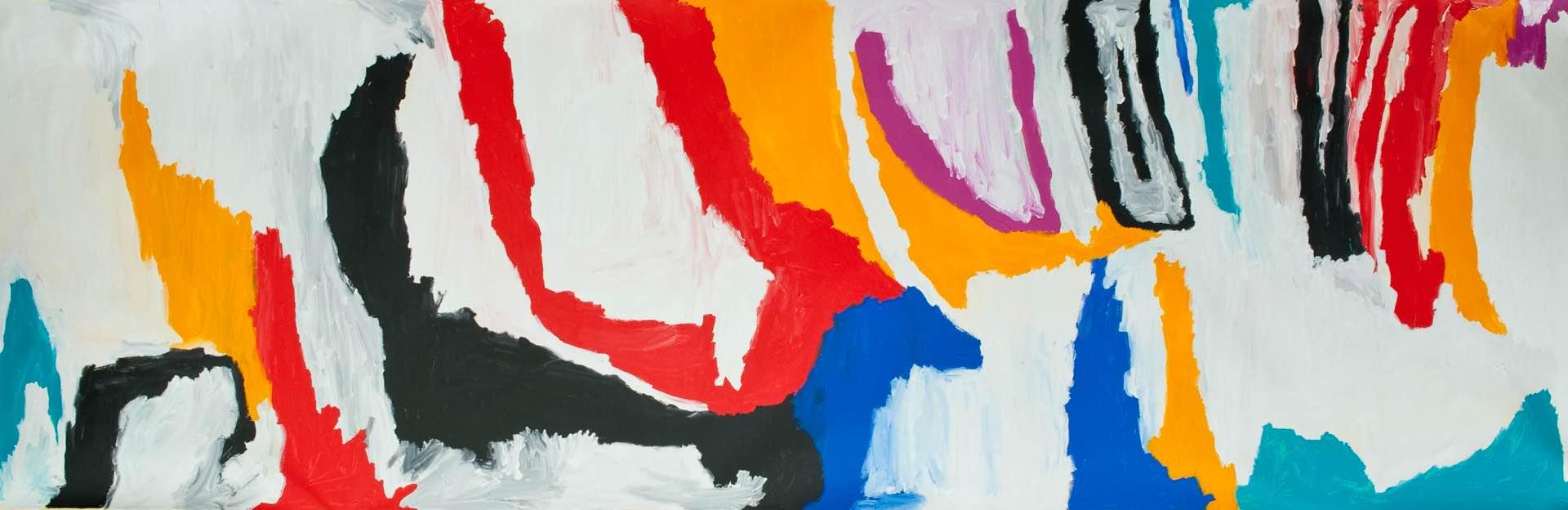
Sally Gabori, Dibirdibi Country, 2010. Synthetic polymer paint on linen, 199 × 607 cm. Art Gallery of New South Wales, Sydney, Australia. Purchased with funds provided by the Aboriginal Collection Benefactors’ Group, 2010. © The Estate of Sally Gabori / Adagp, Paris, 2022. Photo © AGNSW
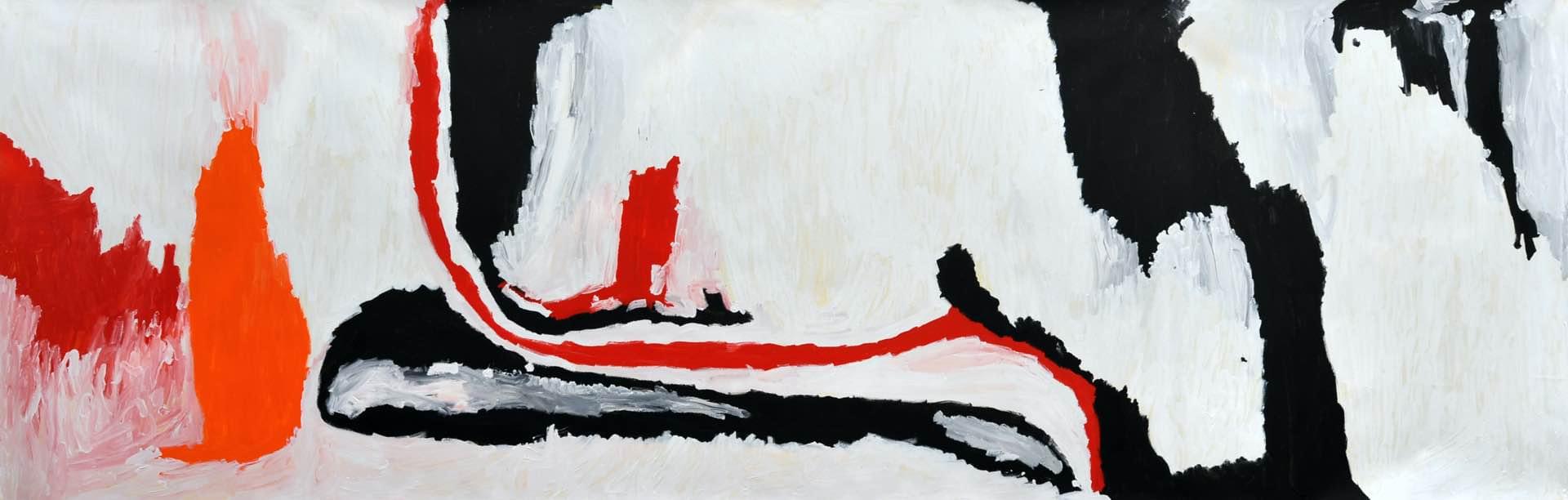
Sally Gabori, Nyinyilki, 2009. Synthetic polymer paint on linen, 198 × 607 cm. National Gallery of Australia, Canberra, Australia. Purchased in 2011. © The Estate of Sally Gabori / Adagp, Paris, 2022. Photo © National Gallery of Australia
Sally Gabori, Dibirdibi Country, 2008. Synthetic polymer paint on linen, 200 × 600 cm. Queensland Art Gallery | Gallery of Modern Art, Brisbane, Australia. Purchased 2008 with funds from Margaret Mittelheuser AM and Cathryn Mittelheuser AM through the Queensland Art Gallery Foundation. © The Estate of Sally Gabori / Adagp, Paris, 2022. Photo © Merinda Campbell, QAGOMA
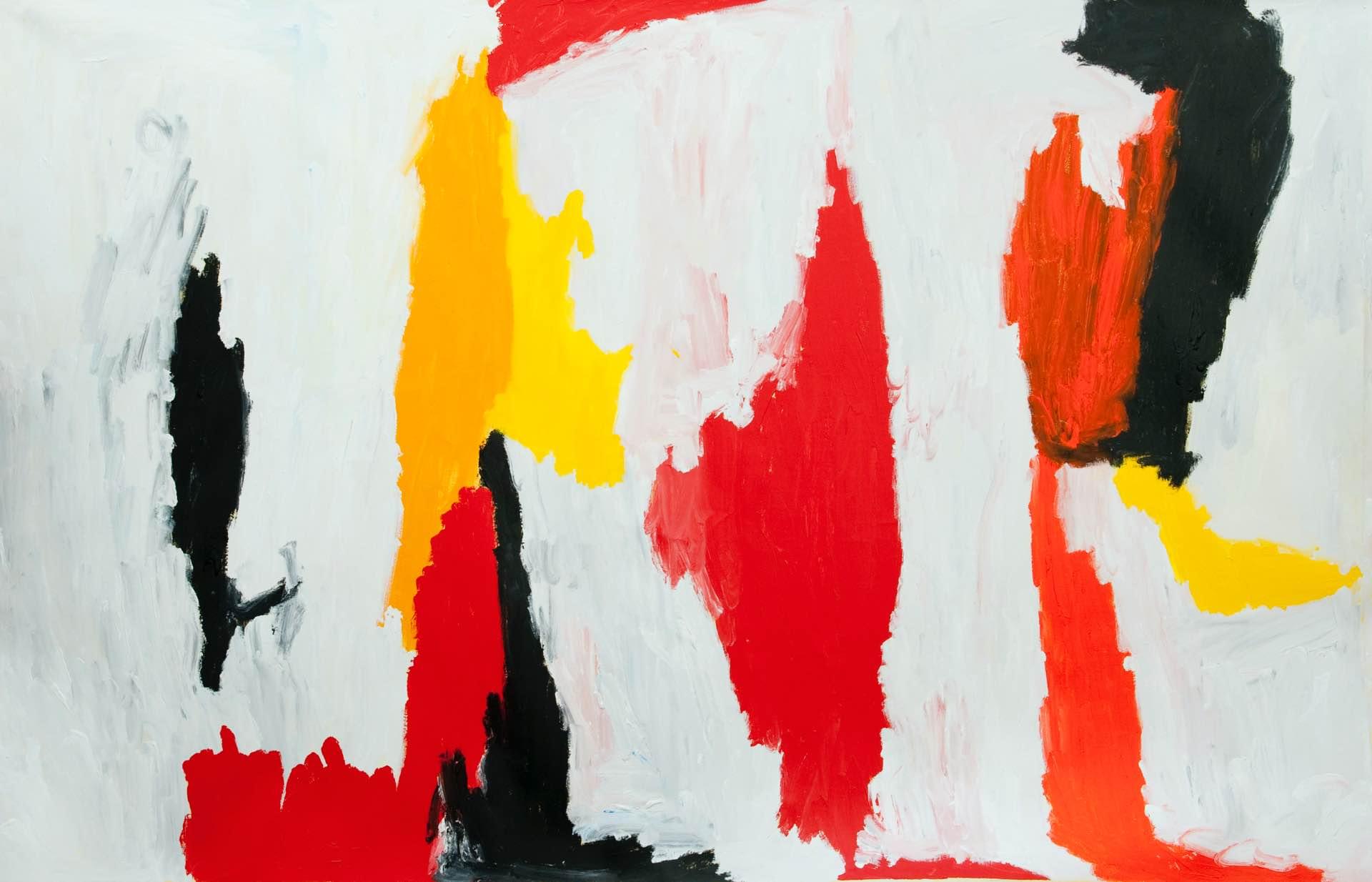
Abandoning herself to spatiality and memory, Sally Gabori uses shifting colors to irradiate her canvases, offering a luminous representation of the landscape of Bentinck Island: salt pans, estuaries, rocky ridges, mangroves, rivers, reefs, stone fish traps, but also the fresh water source where Dibirdibi met his demise. The power of the artist’s gesture lies in the evocation of the sensations associated with these places, to which she was culturally and intimately linked.
Sally Gabori, Dibirdibi Country, 2010. Synthetic polymer paint on linen, 200 × 305 cm. Estate Sally Gabori, Cairns and Alcaston Gallery, Melbourne, Australia. © The Estate of Sally Gabori / Adagp, Paris, 2022. Photo © Simon Strong

Sally Gabori, Outside Dibirdibi, 2008. Synthetic polymer paint on linen, 196 × 608 cm. National Gallery of Australia, Canberra, Australia. Acquired with Founding Donors 2009 Fund. © Estate Sally Gabori / Adagp, Paris, 2022. Photo © National Gallery of Australia
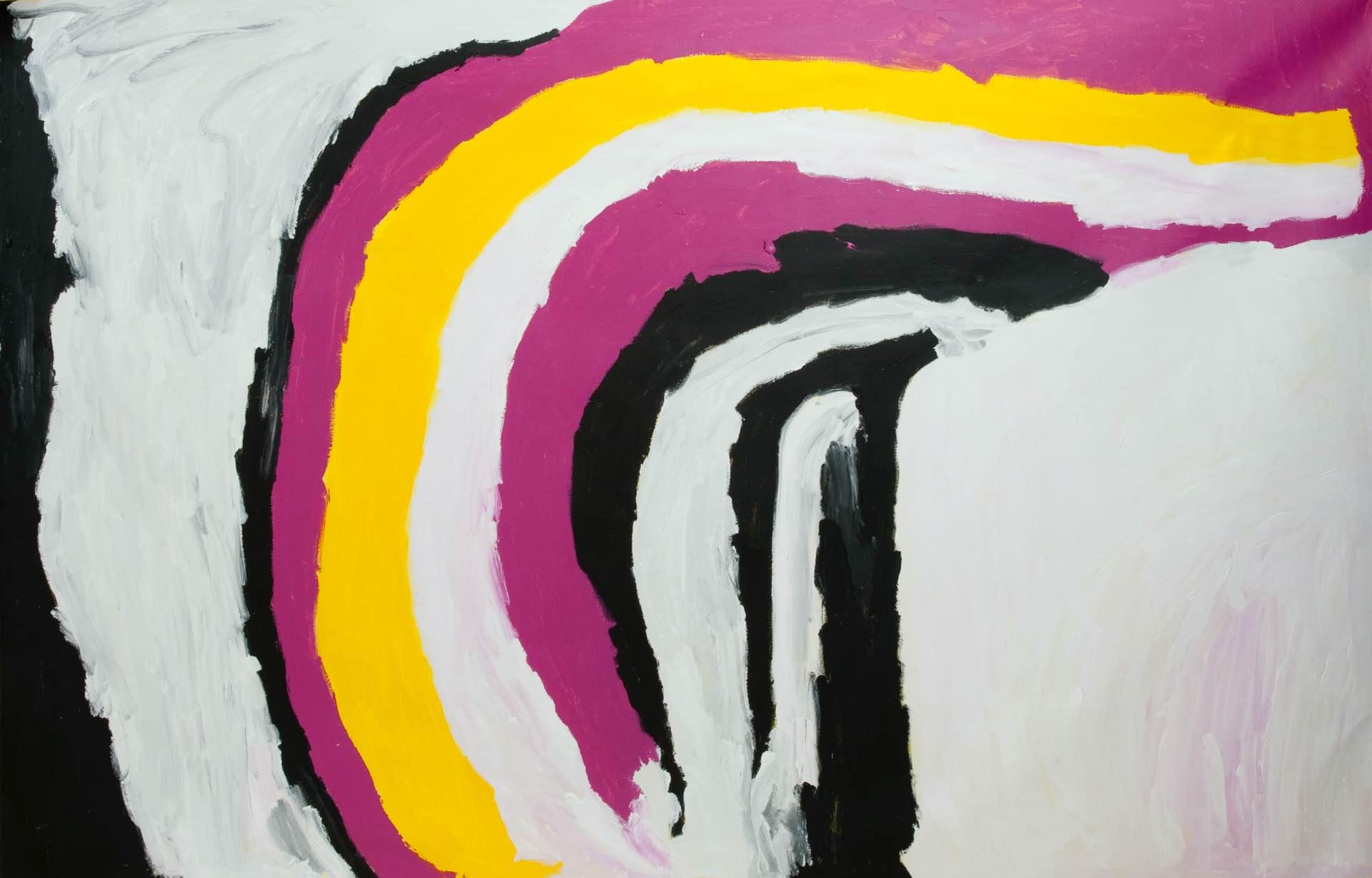
Sally Gabori, Thundi – Big River, 2010. Synthetic polymer paint on linen, 196 × 306 cm. David Gyngell and Leila McKinnon, Sydney, Australia. © The Estate of Sally Gabori / Adagp, Paris, 2022. Photo © Mark Pokorny
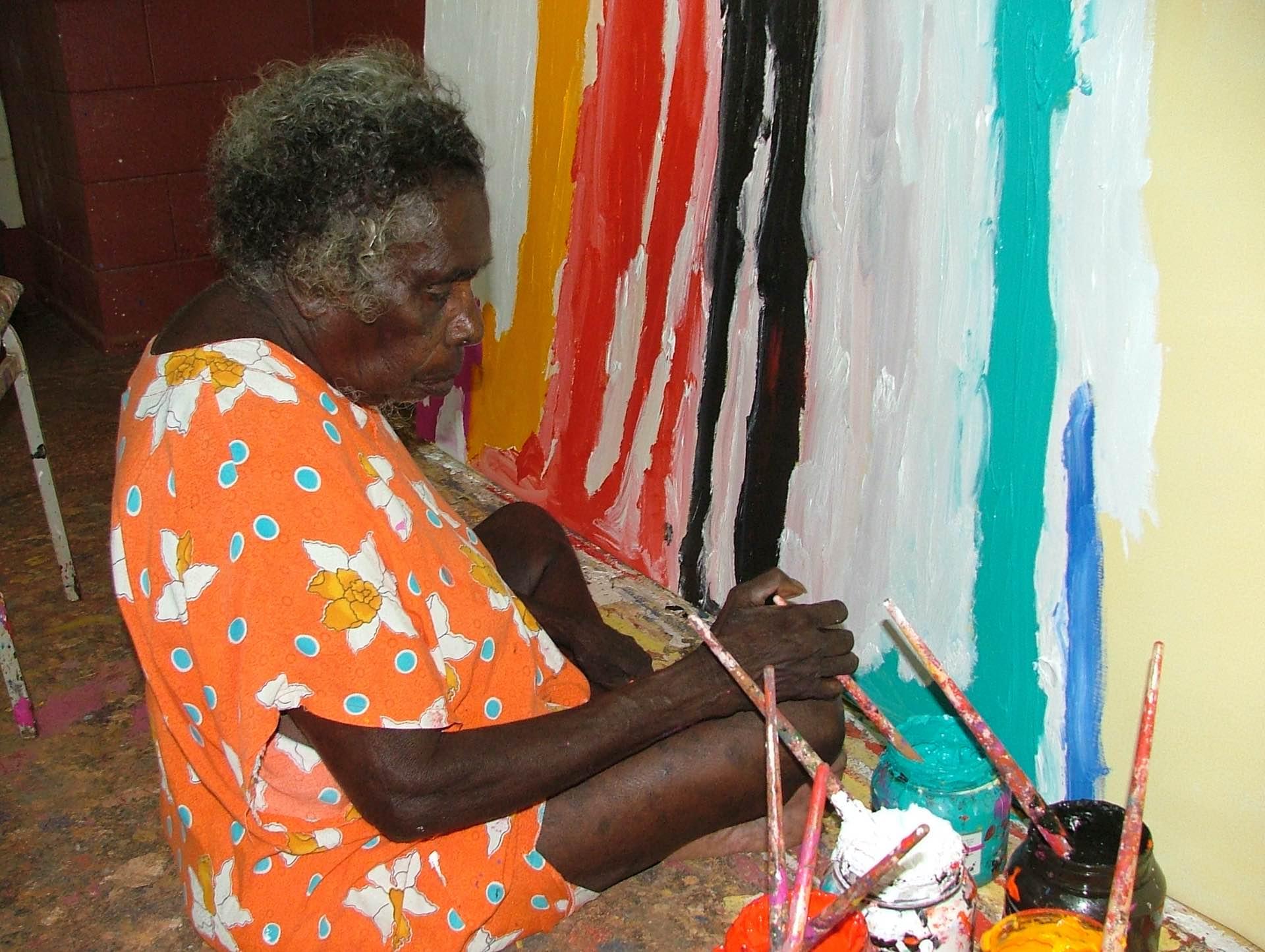
Sally Gabori painting Dibirdibi Country. Art & Craft Center, Mornington Island, 2010. Photo © Inge Cooper

Amy Loogatha and Sally Gabori painting Sweers Island. Art and Craft Centre, Mornington Island, 2008. Photo © Inge Cooper
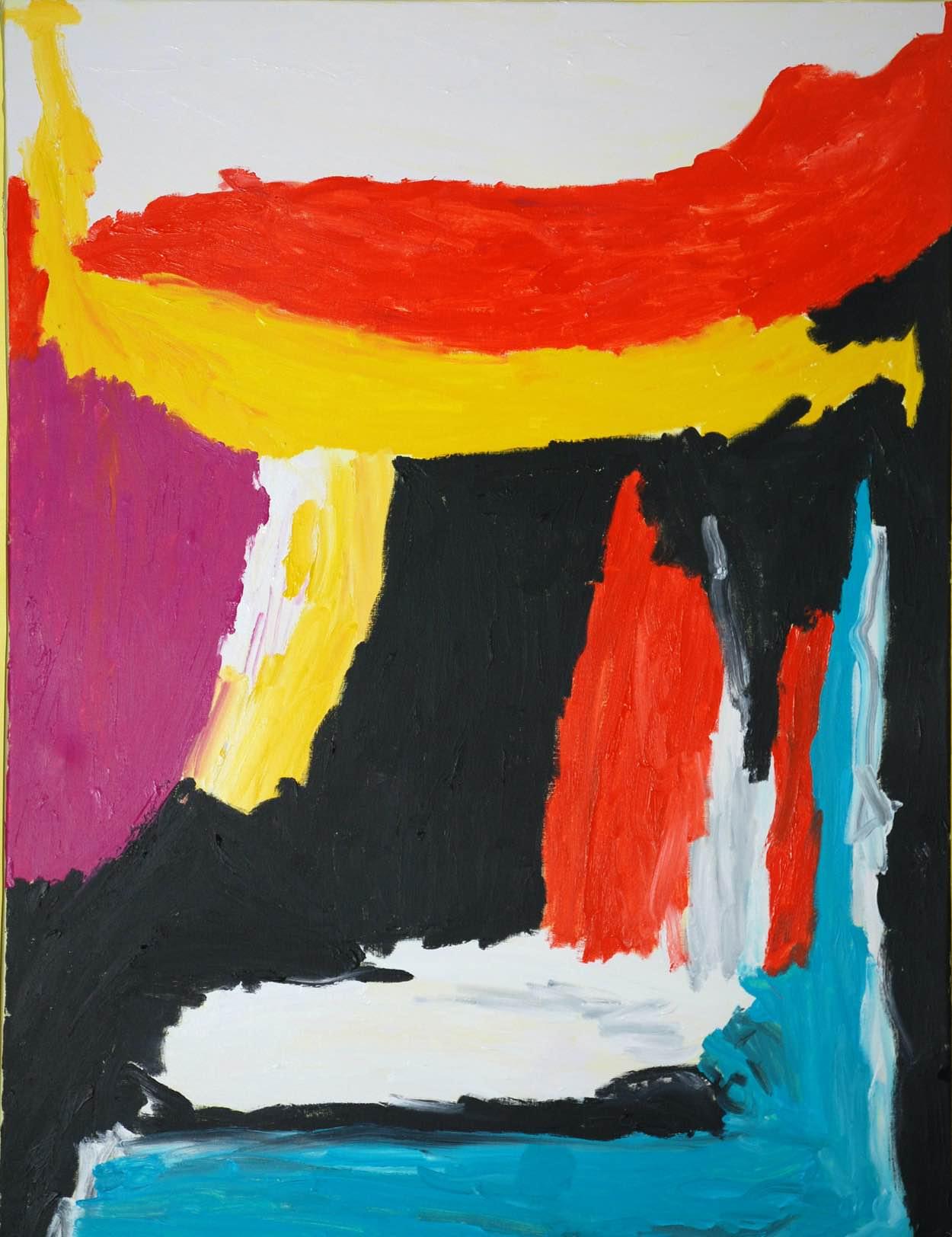
Sally Gabori, Thundi, 2010. Synthetic polymer paint on linen, 198 × 151 cm. Private collection, Bowral, Australia. © The Estate of Sally Gabori / Adagp, Paris, 2022. Photo © Mark Pokorny
Sally Gabori painting Dibirdibi Country. Art & Craft Center, Mornington Island, 2009 Video 48’08’’ © The Estate of Sally Gabori. Video © Inge Cooper
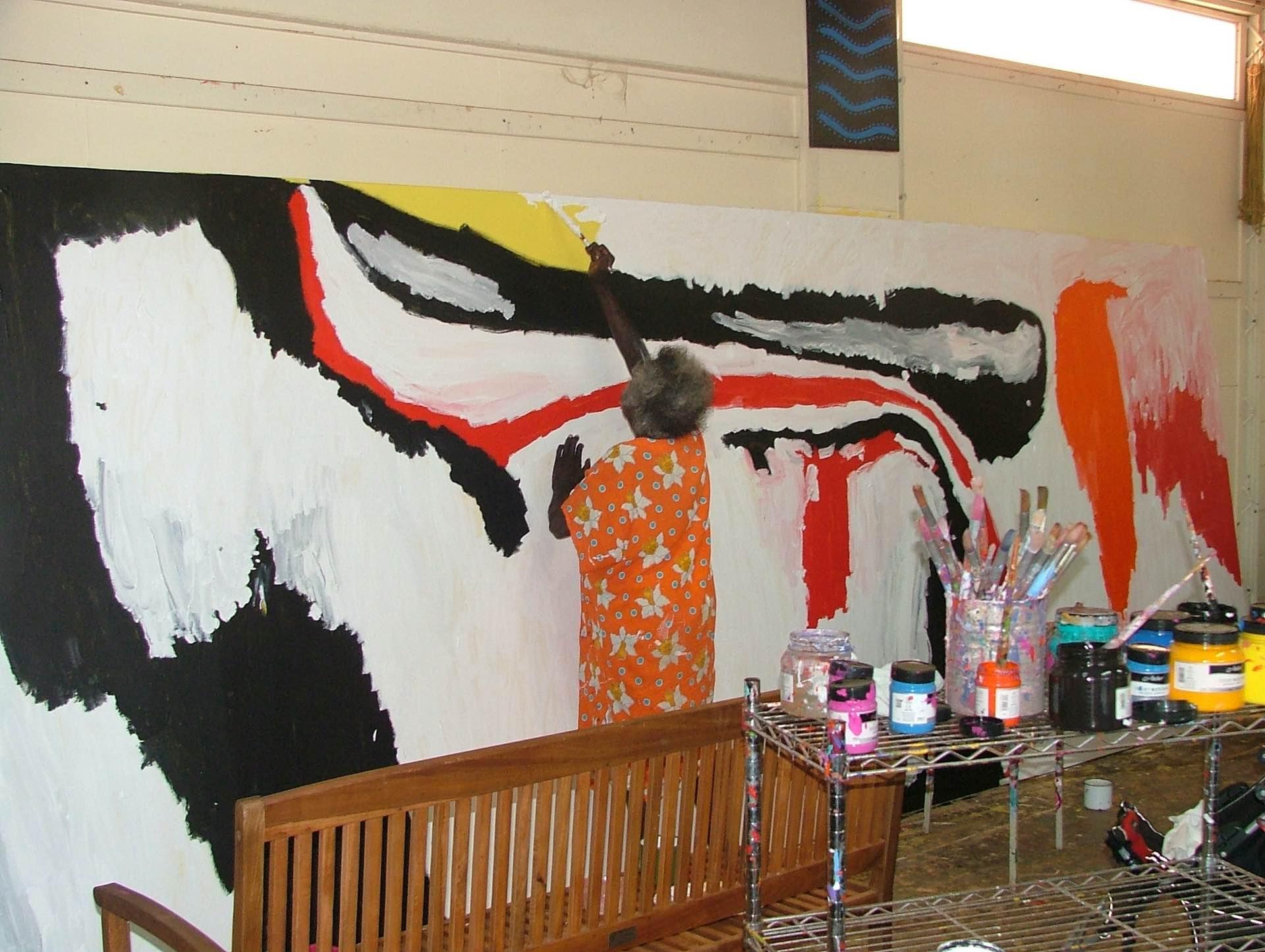
Sally Gabori painting Nyinyilki. Art and Craft Centre, Mornington Island, 2009. Photo © Inge Cooper
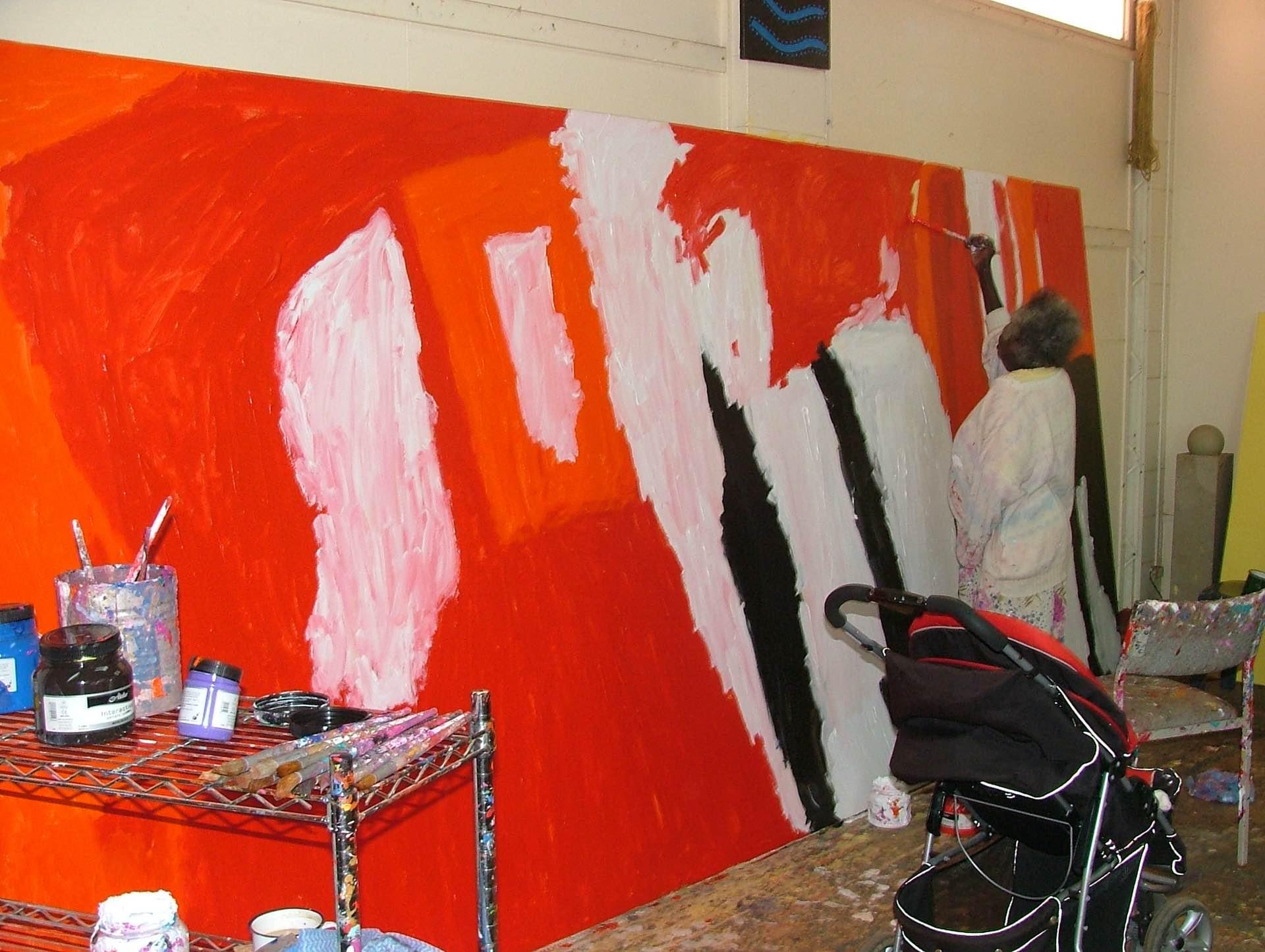
Sally Gabori painting Dibirdibi Country. Art & Craft Center, Mornington Island, 2009. Photo © Inge Cooper
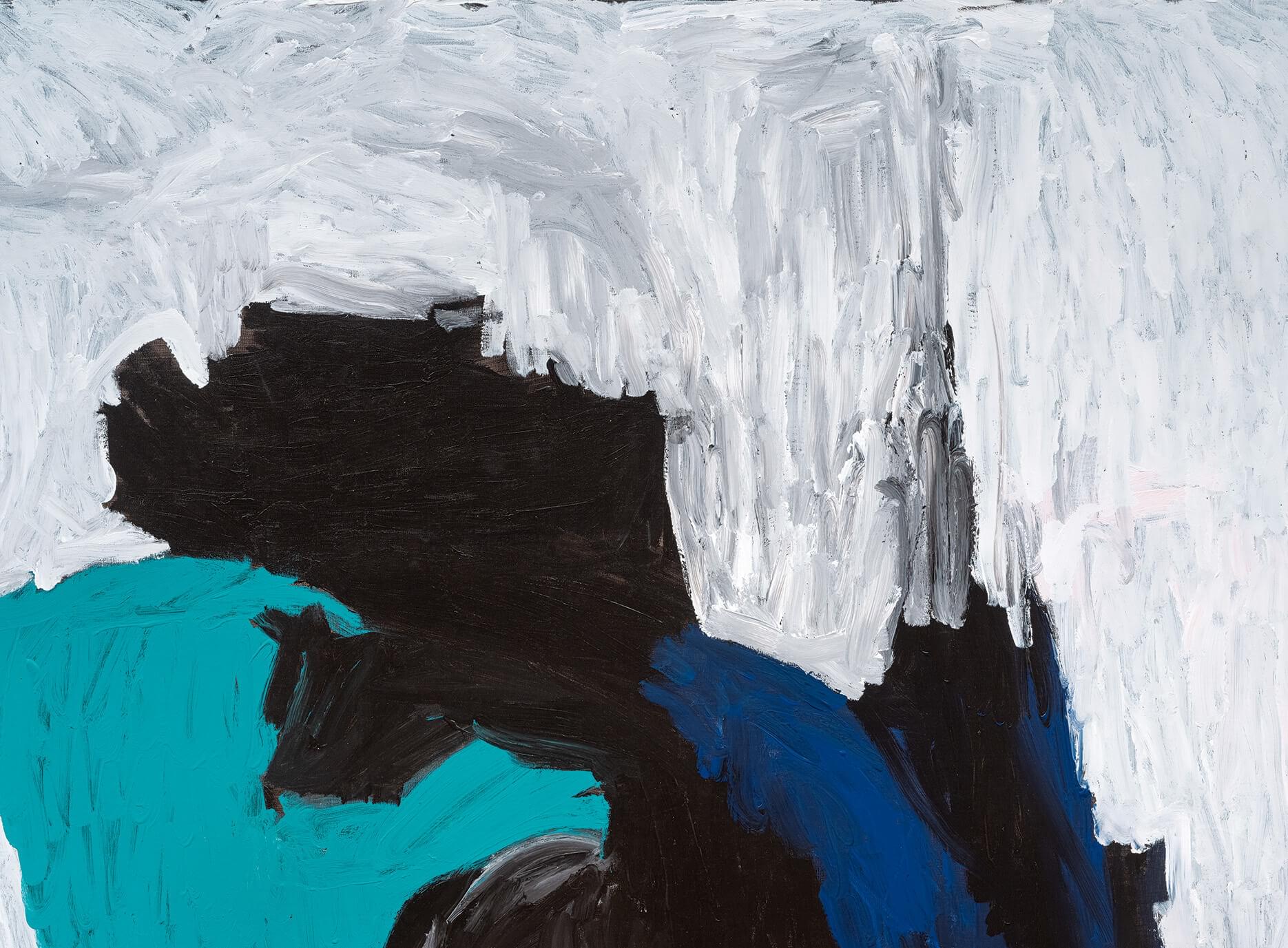
Detail of Sally Gabori, Nyinyilki, 2011. Peinture polymère synthétique sur toile de lin, 196 × 301 cm. Bendigo Art Gallery, Bendigo, Australie. Acquisition 2016. © The Estate of Sally Gabori / Adagp, Paris, 2022 .Photo © Simon Strong.
The Fondation Cartier pour l’art contemporain wishes to advise the Aboriginal and Torres Strait Islander comunities that this site contains images and names of deceased Aboriginal people.
All images on this site are the property of the Estate of Sally Gabori and the Kaiadilt community.
Any use without their permission is prohibited.