
Clicking on a painting will start a journey through the Sally Gabori's artworks.
Unconstrained by a pre-existing Kaiadilt painting tradition or inherited lexicon of signs, Sally Gabori undoubtedly went further than many other women artists and authored a non-derivative radical language that bypasses the need for written explanations or stories that beleaguer the field of Aboriginal art, to express sensations of locus, life and cultural memory in diaspora. The artist found a language that enabled her to live psychically in Country, from which she had been severed, and in so doing created something big, imposing and utterly original.
Judith Ryan, Senior Curator, Indigenous Art - Excerpt from Unprecedented: The Art of Sally Gabori, in Mirdidingkingathi Juwarnda Sally Gabori. Publication Fondation Cartier pour l’art contemporain, Paris, 2022.
At the heart of Sally Gabori’s paintings is an incredible human universality. Although they may appear abstract, they radiate emotional warmth in their celebration of her family and her home. They are paintings of loss, of longing, of love. One day the Kaiadilt community hopes to make a memorial for Sally Gabori on Bentinck Island to commemorate her many achievements in the art world. Perhaps more importantly, it will serve as an enduring witness of the primacy of the connection between this great artist to the place she was torn from as a young woman but who carried it always as her Dulka warngiid. Her land of all. Her whole world. Her home.
Bruce Johnson McLean, Assistant Director, Indigenous Engagement at National Gallery of Australia - From the exhibition catalog Mirdidingkingathi Juwarnda Sally Gabori: Dulka Warngiid - Land of All, Queensland Art Gallery | Gallery of Modern Art, Brisbane, 2016, pp. 13-31.
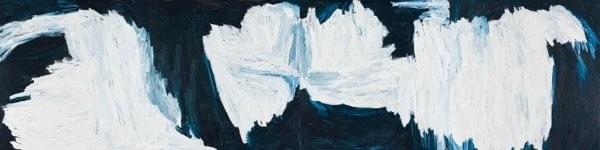
Dibirdibi Country 2012
121 x 484 cm
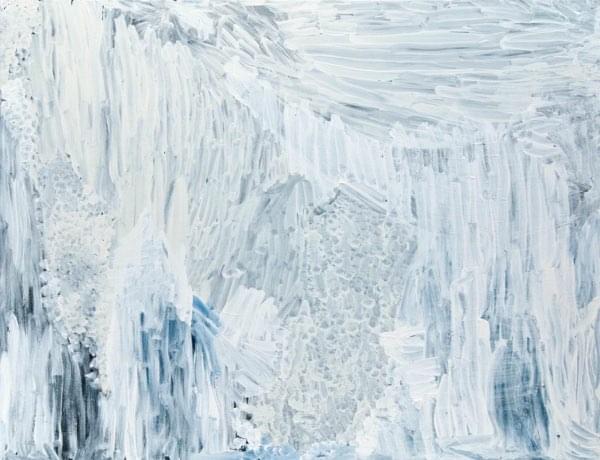
Thundi 2012
151 x 196 cm
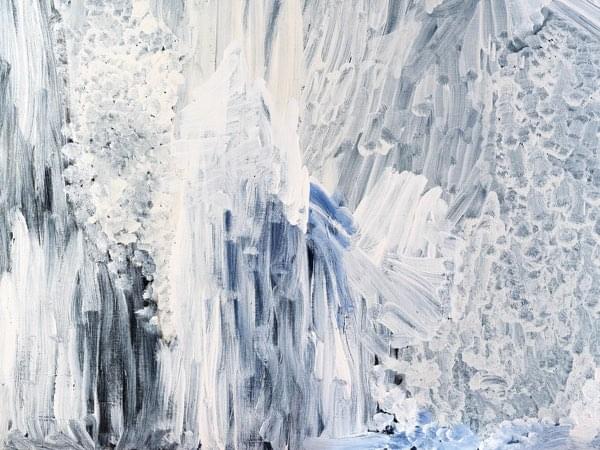
Thundi 2012
151 x 196 cm
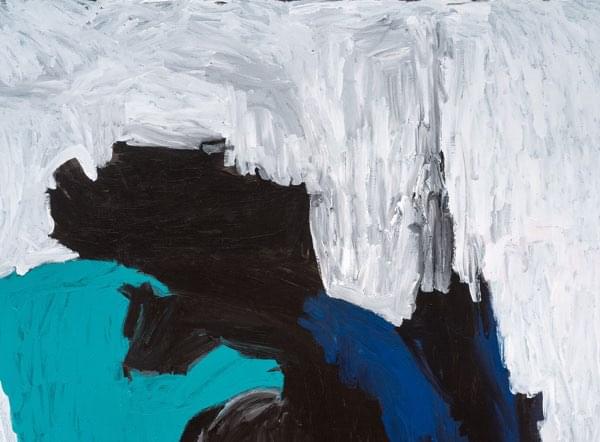
Nyinyilki 2011
196 x 301 cm

Our country 2011
198 × 305 cm

Thundi 2011
196 x 455 cm

Pat and Sally's Country 2011
198 x 305 cm

Dibirdibi Country 2011
198 x 455 cm

Nyinyilki 2011
196 x 301 cm

Nyinyilki 2010
200 x 470 cm

Dibirdibi Country 2010
199 x 607 cm

Dibirdibi Country 2010
196 × 456 cm

Thundi - Big River 2010
196 x 306 cm

Nyinyilki 2010
196 x 300 cm

Nyinyilki 2010
196 x 300 cm

Thundi 2010
196 x 300 cm

Thundi 2010
196 x 302 cm

Dibirdibi Country 2010
200 x 305 cm

Nyinyilki 2010
196 x 300 cm

Nyinyilki 2010
196 x 303 x 2 cm

Nyinyilki 2010
196 x 303 x 2 cm

Thundi 2010
198 x 151 cm

Thundi 2010
196 x 151 cm

Thundi 2010
198 x 151 cm

Thundi 2010
196 x 151 cm

Nyinyilki 2009
197,5 x 606,5 cm

Dibirdibi Country 2009
200 x 600 cm

Nyinyilki - Main base 2009
200 × 600 cm

Outside Dibirdibi 2008
196 x 608 cm

Ninjilki 2008
198,8 x 460,6 cm

Dibirdibi Country 2008
197,8 x 303,7 cm

Dibirdibi Country 2008
200 x 600 cm

Makarrki King Alfred's Country 2008
200 x 600 cm

Dibirdibi Country 2008
196 x 305

Thundi 2008
198 x 304 cm

Sweers Island 2008
200 x 600 cm

Dulka Warngiid 2007
199 × 605 cm

Nyinyilki 2006
151 x 136 cm
The Fondation Cartier pour l’art contemporain wishes to advise the Aboriginal and Torres Strait Islander comunities that this site contains images and names of deceased Aboriginal people.
All images on this site are the property of the Estate of Sally Gabori and the Kaiadilt community.
Any use without their permission is prohibited.